 Model
Model
Revision Rhinoplasty in Houston, TX
Sometimes a previous rhinoplasty performed elsewhere may not have achieved the desired aesthetic or functional result. Revision rhinoplasty is a highly specialized procedure designed to address concerns such as persistent nasal obstruction, asymmetry, contour irregularities, over-resection, under-correction, or dissatisfaction with the appearance of the nose.
Revision rhinoplasty is often more complex than primary rhinoplasty due to scar tissue, altered anatomy, and limited remaining cartilage. Successful correction requires careful analysis, thoughtful surgical planning, and expertise in nasal reconstruction.
Dr. Delaney specializes in primary and revision rhinoplasty, including complex cases requiring advanced structural grafting techniques. During your consultation, he will perform a detailed evaluation of your nose, review your concerns and goals, and develop a personalized treatment plan designed to improve both nasal appearance and function.

 Model
Model
WHAT IS REVISION RHINOPLASTY?
While rhinoplasty is performed to improve the appearance and/or function of the nose, some patients may remain dissatisfied with their results or develop new concerns following surgery. Revision rhinoplasty, also known as secondary rhinoplasty, is a procedure designed to address cosmetic and functional issues after a previous nasal surgery.
Common reasons for revision rhinoplasty include persistent breathing difficulties, nasal asymmetry, contour irregularities, collapse of the nasal valves, over-resection, under-correction, or changes that occur during the healing process. Because the anatomy has already been altered and scar tissue is often present, revision rhinoplasty is generally more complex than primary rhinoplasty.
A significant portion of the rhinoplasty procedures performed at Facial Plastic Surgery Associates are revision cases referred from other surgeons. Successful revision surgery requires a detailed understanding of nasal anatomy, structural reconstruction, and long-term healing patterns.
During your consultation, Dr. Delaney will perform a comprehensive evaluation of both the appearance and function of your nose. This includes assessment of the nasal septum, internal and external nasal valves, and inferior turbinates. The goal is to develop a treatment plan that addresses the entire nasal framework rather than focusing on a single concern in isolation.
Revision rhinoplasty pricing at FPSA includes revision septoplasty and inferior turbinate reduction when recommended as part of your surgical plan. In some cases, additional grafting materials, such as rib cartilage or dermal matrix grafts, may be necessary and may involve additional costs.
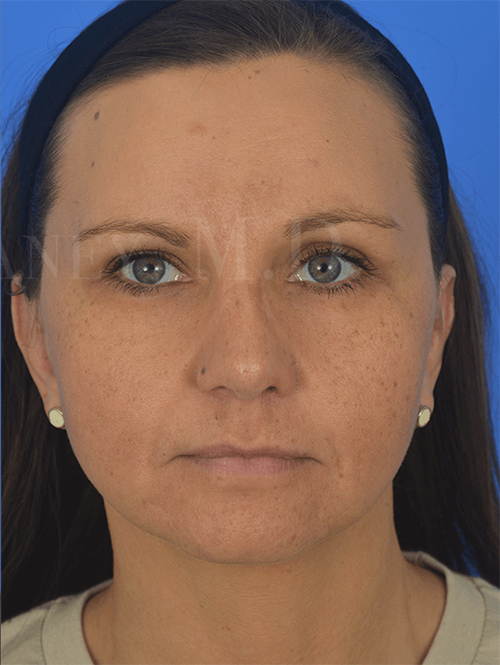
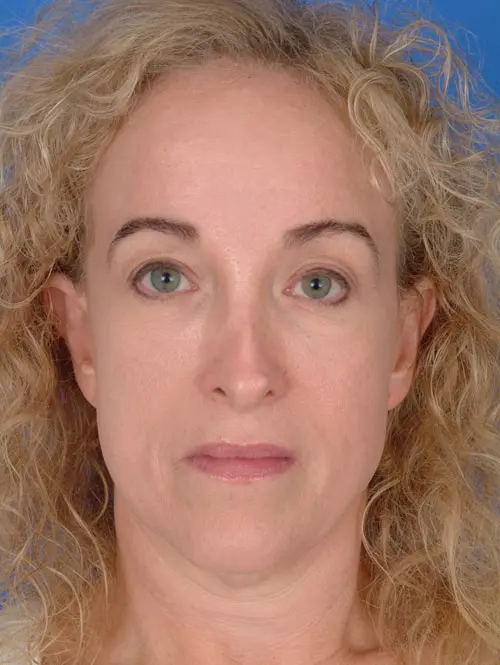
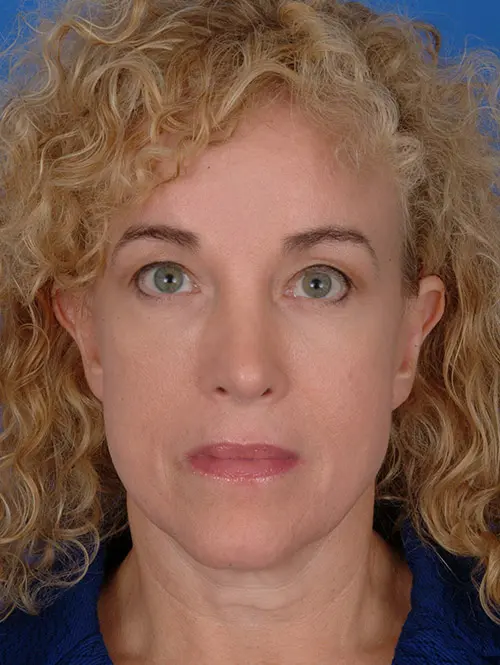
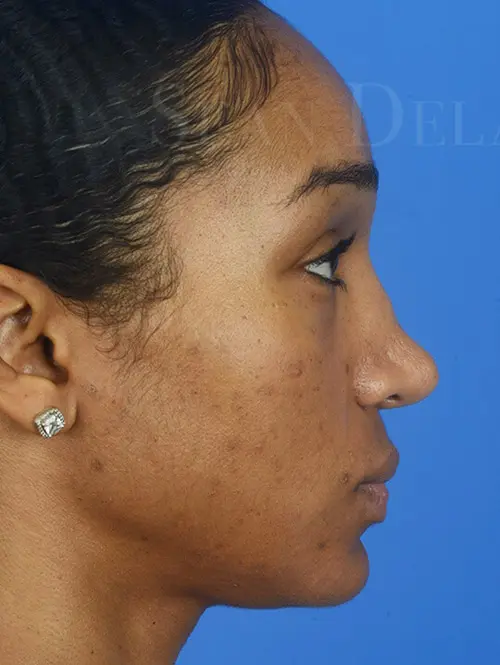
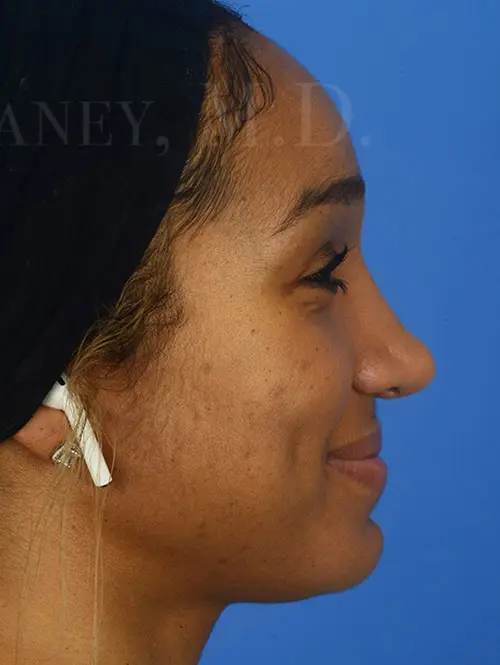
WHY SHOULD I SELECT FPSA FOR MY REVISION RHINOPLASTY?
Revision rhinoplasty is widely regarded as one of the most complex procedures in facial plastic surgery. Previous surgery can alter the normal anatomy of the nose, create scar tissue, weaken structural support, and limit the availability of cartilage needed for reconstruction. Successful revision surgery requires a thorough understanding of both nasal aesthetics and nasal function.
At Facial Plastic Surgery Associates, revision rhinoplasty is a major focus of our practice. A substantial portion of the rhinoplasty procedures performed at FPSA are revision cases referred from other surgeons. These patients often present with concerns related to breathing difficulties, nasal asymmetry, contour irregularities, collapse of the nasal valves, or unsatisfactory cosmetic results from previous surgery.
Dr. Delaney specializes in primary and revision rhinoplasty, including complex cases that require advanced structural grafting techniques and nasal reconstruction. His approach emphasizes restoration of both form and function, recognizing that long-term success depends on creating a nose that looks natural and functions properly.
During your consultation, Dr. Delaney will perform a comprehensive evaluation of your nasal anatomy, review your surgical history, discuss your concerns and goals, and develop a personalized treatment plan. Because every revision rhinoplasty presents unique challenges, treatment recommendations are tailored to the specific needs of each patient.
At FPSA, our goal is to provide thoughtful surgical planning, clear communication, meticulous surgical technique, and attentive postoperative care throughout every stage of the revision rhinoplasty process.
WHAT CAN I EXPECT AT MY CONSULTATION?
Revision rhinoplasty consultations are comprehensive and typically last approximately two hours. Upon arrival, a member of our team will obtain standardized photographs and review your medical history and patient information forms. If available, prior operative reports and surgical records can be helpful and should be provided before or at the time of your consultation.
During your visit, Dr. Delaney will perform a thorough evaluation of both the appearance and function of your nose. This includes assessment of the septum, internal and external nasal valves, turbinates, and overall structural support of the nose. Because revision rhinoplasty often involves altered anatomy and scar tissue from previous surgery, a detailed examination is essential to developing an appropriate treatment plan.
A key component of the consultation is understanding your concerns and goals. Dr. Delaney will discuss what bothers you about your nose, what changes you hope to achieve, and whether those goals can be realistically accomplished through revision surgery. It is important to recognize that revision rhinoplasty is often more complex than primary rhinoplasty, and the goal is improvement rather than perfection.
Based on your examination and discussion, digital imaging may be used to help facilitate communication regarding potential surgical changes. While no surgeon can guarantee a specific result, digital imaging can be a valuable tool for ensuring a shared understanding of your goals and expectations.
You will have ample opportunity to ask questions and discuss the proposed surgical plan, expected recovery, risks, limitations, and anticipated outcomes. Following your consultation, one of our patient concierges will review educational materials, before-and-after photographs, surgical planning details, and pricing information. Your concierge will also serve as a resource throughout the surgical process, from your initial consultation through recovery and follow-up care.
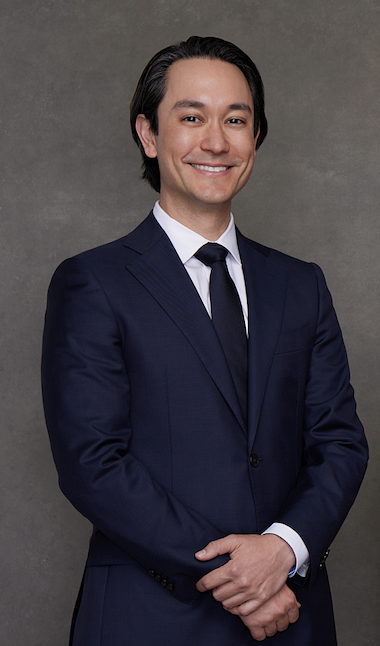

HOW DOES DR. DELANEY APPROACH REVISION RHINOPLASTY?
Revision rhinoplasty is often significantly more complex than primary rhinoplasty. Previous surgery can alter the normal anatomy of the nose, weaken structural support, create scar tissue, and limit the availability of cartilage needed for reconstruction. As a result, each revision case presents unique challenges and requires a highly individualized approach.
At Facial Plastic Surgery Associates, we believe that form and function should never be considered separately. A nose that looks attractive but does not breathe well is not an optimal result. Likewise, restoring airflow without addressing significant aesthetic concerns may leave patients dissatisfied. Successful revision rhinoplasty requires careful attention to both appearance and nasal function.
Many revision rhinoplasty patients require reconstruction of the underlying nasal framework to restore support, improve breathing, and create durable, natural-looking results. These procedures often involve advanced structural grafting techniques and require a detailed understanding of three-dimensional nasal anatomy, facial balance, and long-term healing patterns.
Because no two revision rhinoplasty patients present with the same anatomy or concerns, every surgical plan is customized. Depending on the specific needs of the patient, surgery may involve the use of septal cartilage, ear cartilage, rib cartilage, or other grafting materials to rebuild and support the nose.
During your consultation, Dr. Delaney will perform a comprehensive evaluation of your nasal structure and discuss the surgical options most appropriate for your goals. Careful planning, meticulous technique, and a commitment to restoring both form and function are central to his approach to revision rhinoplasty.
Inside Your Rhinoplasty Consultation: What to Expect?
How a facial plastic surgeon sees your nasal anatomy
Why is Revision Rhinoplasty a much more difficult operation?
FPSA Pore Extraction Facial for Rhinoplasty
Rhinoplasty Recovery: Insight on what to expect after surgery and tips for a smoother recovery
Rhinoplasty: The Day After… and Home Aftercare
Timing Your Rhinoplasty Planning for Your Big Day
 Model
Model
AM I A GOOD CANDIDATE FOR REVISION RHINOPLASTY?
Revision rhinoplasty may be appropriate for patients who are dissatisfied with the appearance, function, or both following a previous nasal surgery. Because the anatomy of the nose has already been altered, revision surgery is often more complex than primary rhinoplasty and may require advanced reconstructive techniques.
The best candidates are healthy, non-smoking individuals with realistic expectations and a clear understanding of the goals and limitations of revision surgery. While significant improvements can often be achieved, it is important to recognize that revision rhinoplasty is typically focused on improvement rather than perfection.
During your consultation, Dr. Delaney will perform a comprehensive evaluation of your nasal anatomy, review your surgical history, and discuss whether revision surgery is likely to help you achieve your goals. If surgery is not recommended, he will provide an honest assessment and discuss alternative options when appropriate.
Patients are generally required to wait at least one year following a previous rhinoplasty before undergoing revision surgery, as the nose continues to heal and evolve throughout the first postoperative year.
For patient safety and optimal healing, revision rhinoplasty is not performed on patients with medical conditions that significantly increase surgical risk or on patients who actively smoke, vape, use nicotine products, or use illicit drugs.
WHEN IS MY PREOPERATIVE APPOINTMENT?
Once you decide to proceed with revision rhinoplasty, your preoperative appointment will typically take place two to three weeks before surgery.
During this visit, we will review your surgical plan, discuss preoperative and postoperative instructions, answer any remaining questions, obtain preoperative photographs, review and sign consent forms, and finalize any outstanding paperwork or payments. You will also receive your postoperative prescriptions and detailed recovery instructions.
Many patients choose to use our pharmacy delivery service, which allows medications to be prepared in advance and available at the time of the preoperative appointment. Our goal is to ensure that you feel informed, prepared, and comfortable heading into surgery.
 Model
Model
WHAT DO I NEED TO DO BEFORE SURGERY?
Proper preparation before surgery can help optimize healing and recovery. During your preoperative appointment, our clinical team will provide detailed instructions tailored to your procedure and medical history.
In general, patients should avoid medications, supplements, and herbal products that may increase the risk of bleeding for at least two weeks before and after surgery unless otherwise directed by their physician. A complete list of medications and supplements to avoid will be reviewed during your preoperative visit.
For patient safety and optimal healing, surgery is not performed on patients who actively smoke, vape, use nicotine products, or use illicit drugs. These substances can significantly impair healing and increase the risk of complications. Surgery may be postponed or canceled if preoperative testing indicates recent use.
We also encourage patients to maintain a healthy lifestyle before surgery by eating a balanced diet, staying well hydrated, avoiding excessive alcohol consumption, and limiting significant sun exposure. Some patients choose to take supplements such as Arnica, Bromelain, or Vitamin C during the perioperative period, although these are optional and should be discussed with our clinical team prior to use.
Healthy skin can contribute to a smoother recovery process. As part of your preoperative visit, patients receive guidance regarding skincare and postoperative skin care products that may support healing after surgery. You will also receive detailed postoperative instructions, prescriptions, and recovery supplies to help ensure you are well prepared for your surgical experience.
Day Of Surgery
WHAT HAPPENS ON THE DAY OF SURGERY?
Revision rhinoplasty is typically performed as an outpatient procedure under general anesthesia at an accredited ambulatory surgery center. Depending on the complexity of the case, surgery generally takes approximately 4.5 to 5.5 hours to complete.
You should have nothing to eat or drink after midnight the night before surgery unless otherwise instructed by your anesthesia team. This includes water, gum, candy, and mints.
Patients are typically asked to arrive approximately 1 to 1.5 hours before their scheduled surgery time. We recommend wearing comfortable, loose-fitting clothing, preferably a button-front or zip-front shirt, to avoid placing unnecessary pressure on the nose when changing after surgery.
Because anesthesia will be administered, you must arrange for a responsible adult to drive you to and from the surgery center and assist you during the initial recovery period.
WHAT CAN I EXPECT IMMEDIATELY AFTER REVISION RHINOPLASTY?
Following surgery, you will recover in the postoperative recovery area under the supervision of the surgical and anesthesia teams. Once you are comfortable and medically stable, you will be discharged home with detailed postoperative instructions.
Dr. Delaney does not routinely use traditional Doyle splints. Instead, soft support materials may be placed inside the nose to help stabilize the tissues during the initial stages of healing. These materials are typically removed at your first postoperative visit the following day.
You will be seen in the office the day after surgery so that your recovery can be evaluated and postoperative care can begin. During the first week, it is important to sleep on your back with your head elevated to help minimize swelling and promote healing.
Most patients report that recovery is more comfortable than they anticipated. While some congestion, pressure, swelling, and mild discomfort are expected, significant pain is uncommon. Prescription pain medication is provided as needed, although many patients transition to Tylenol within the first 24 to 48 hours after surgery.
Many patients find that nasal congestion and swelling are more bothersome than pain during the first week of recovery. These symptoms gradually improve as healing progresses.
 Model
Model
Recovery Time
WHAT IS THE RECOVERY PERIOD FOR REVISION RHINOPLASTY?
Our surgical techniques and postoperative care protocols are designed to support the healing process. However, swelling and bruising are expected following revision rhinoplasty. Because revision surgery is often more extensive than primary rhinoplasty, some patients may experience more swelling and a longer recovery period.
When the external splint is removed approximately 5 to 7 days after surgery, most patients notice a significant improvement in the appearance of their nose, although swelling will still be present. Patients undergoing functional surgery often notice an improvement in breathing as healing progresses.
Recovery after revision rhinoplasty requires patience. Approximately 80% of swelling typically resolves within the first 4 to 6 months, but subtle refinement continues over time. Final results may take up to 18 to 24 months to fully mature, particularly in patients with thicker skin or those requiring extensive reconstruction.
Most patients begin feeling more like themselves within several days after surgery and are comfortable returning to work and social activities within 1 to 2 weeks, depending on the extent of the procedure and their individual healing process.
Wondering when it’s safe to return to the gym? We’ve created a detailed week-by-week guide covering walking, cardio, weightlifting, swimming, contact sports, and what activities to avoid while your nose heals. Read our complete guide: When Can I Exercise After Rhinoplasty?
Dr. Delaney and the team at Facial Plastic Surgery Associates will monitor your recovery closely throughout the healing process. Patients are typically seen several times during the first two weeks after surgery, as well as at routine follow-up visits over the first year to ensure appropriate healing and long-term success.
HOW DO I FIND THE BEST REVISION RHINOPLASTY SURGEON FOR ME?
Revision rhinoplasty is among the most complex procedures in facial plastic surgery. Previous surgery can alter the normal anatomy of the nose, create scar tissue, weaken structural support, and affect both appearance and breathing function. For these reasons, selecting a surgeon with extensive experience in both cosmetic and functional nasal surgery is an important decision.
When researching surgeons, patients should consider factors such as board certification, specialized training, experience with revision rhinoplasty, before-and-after results, patient reviews, and the surgeon’s ability to clearly explain the proposed treatment plan and realistic expectations.
Revision rhinoplasty often requires more than aesthetic refinement alone. Successful outcomes frequently depend on restoring structural support, improving airflow, and addressing functional concerns while maintaining facial harmony. Patients should seek a surgeon who is experienced in evaluating and treating both the cosmetic and functional aspects of nasal surgery.
Most importantly, patients should choose a surgeon they trust—one who listens carefully, communicates honestly, and develops a treatment plan tailored to their unique anatomy and goals.
To help you make an informed decision, we have created a guide outlining important questions to ask when selecting a revision rhinoplasty surgeon.
 Model
Model
IF I AM NOT HAPPY WITH MY RHINOPLASTY, WHEN CAN I UNDERGO REVISION RHINOPLASTY?
It takes at least one year for the nose to fully heal following rhinoplasty. For this reason, revision rhinoplasty is generally not recommended until at least 12 months have passed since your previous surgery.
Although it can be tempting to address perceived concerns early in the recovery process, swelling, scar tissue remodeling, and changes in nasal contour continue to occur throughout the first postoperative year. Waiting allows the healing process to stabilize and provides a more accurate assessment of the final result.
In many cases, concerns that are noticeable during the early stages of recovery improve significantly with time. Once healing is complete, it becomes much easier to determine whether revision surgery is necessary and what specific changes may be beneficial.
Patients who have concerns following a rhinoplasty are encouraged to discuss those concerns with their original surgeon, as they are often best positioned to evaluate the healing process and provide guidance during recovery.
WHY DOES REVISION RHINOPLASTY COST MORE THAN PRIMARY RHINOPLASTY?
Revision rhinoplasty is generally more complex and time-consuming than primary rhinoplasty. Previous surgery can alter the normal anatomy of the nose, create scar tissue, weaken structural support, and limit the availability of cartilage needed for reconstruction.
Many revision rhinoplasty procedures require advanced reconstructive techniques to restore both appearance and breathing function. Depending on the complexity of the case, surgery may involve structural grafting using septal cartilage, ear cartilage, rib cartilage, or other specialized materials to rebuild and support the nose.
In addition to being technically demanding, revision rhinoplasty often requires more extensive surgical planning and longer operative times than primary rhinoplasty. Because every revision case presents unique challenges, treatment must be highly individualized to address each patient’s anatomy, concerns, and goals.
The goal of revision rhinoplasty is not simply to make additional cosmetic changes, but to create a stable, functional, and natural-looking result that will stand the test of time.
IS RECOVERY WITH REVISION RHINOPLASTY DIFFERENT THAN PRIMARY RHINOPLASTY?
Recovery after revision rhinoplasty is generally similar to recovery after primary rhinoplasty. However, because revision surgery is often more complex and may involve additional reconstruction, some patients experience more swelling and a longer healing process.
Common postoperative symptoms may include:
- Nasal congestion and swelling inside the nose, which can create a “stuffed-up” sensation during the early stages of healing.
- Mild headaches, facial pressure, or discomfort that gradually improve over the first several days.
- Temporary nausea or dizziness related to anesthesia or medications.
- Swelling and bruising around the nose, cheeks, and eyelids.
It is important to avoid blowing your nose during the early recovery period, as this may increase the risk of bleeding and interfere with healing. Following your postoperative instructions, staying well hydrated, getting adequate rest, and attending scheduled follow-up visits will help support a smooth recovery.
While the initial recovery period is similar to primary rhinoplasty, the final results of revision rhinoplasty often take longer to fully mature because of the increased complexity of the procedure and the presence of existing scar tissue.
DOES INSURANCE COVER REVISION RHINOPLASTY?
Revision rhinoplasty is often performed to address both cosmetic and functional concerns. Depending on the nature of the problem being treated, certain functional components of surgery may be eligible for insurance coverage, while cosmetic improvements are generally not covered.
Facial Plastic Surgery Associates does not participate with insurance plans and is considered an out-of-network provider. As a result, patients are responsible for all surgical fees associated with their care.
During your consultation, Dr. Delaney will evaluate both the cosmetic and functional aspects of your nose and discuss the recommended treatment plan, anticipated costs, and available options for your specific situation.
Fully Accredited
On-Site Surgical Facility
Dr, Sean Delaney and Team FPSA provide patients with an exceptional surgical experience at our AAAHC accredited on-site operating facility. Our patients enjoy the comfort, ease and convenience of having surgical and medical aesthetic procedures in our beautiful practice environment. Facial Plastic Surgery Associates’ operating room has been certified by the Accreditation Association for Ambulatory Health Care (AAAHC). Accreditation by this highly regarded, independent organization ensures that our in-office operating room meets the highest quality of standards and safety. This accreditation is similar to the process completed for out-patient surgical facilities associated with hospital systems.
Schedule a Consultation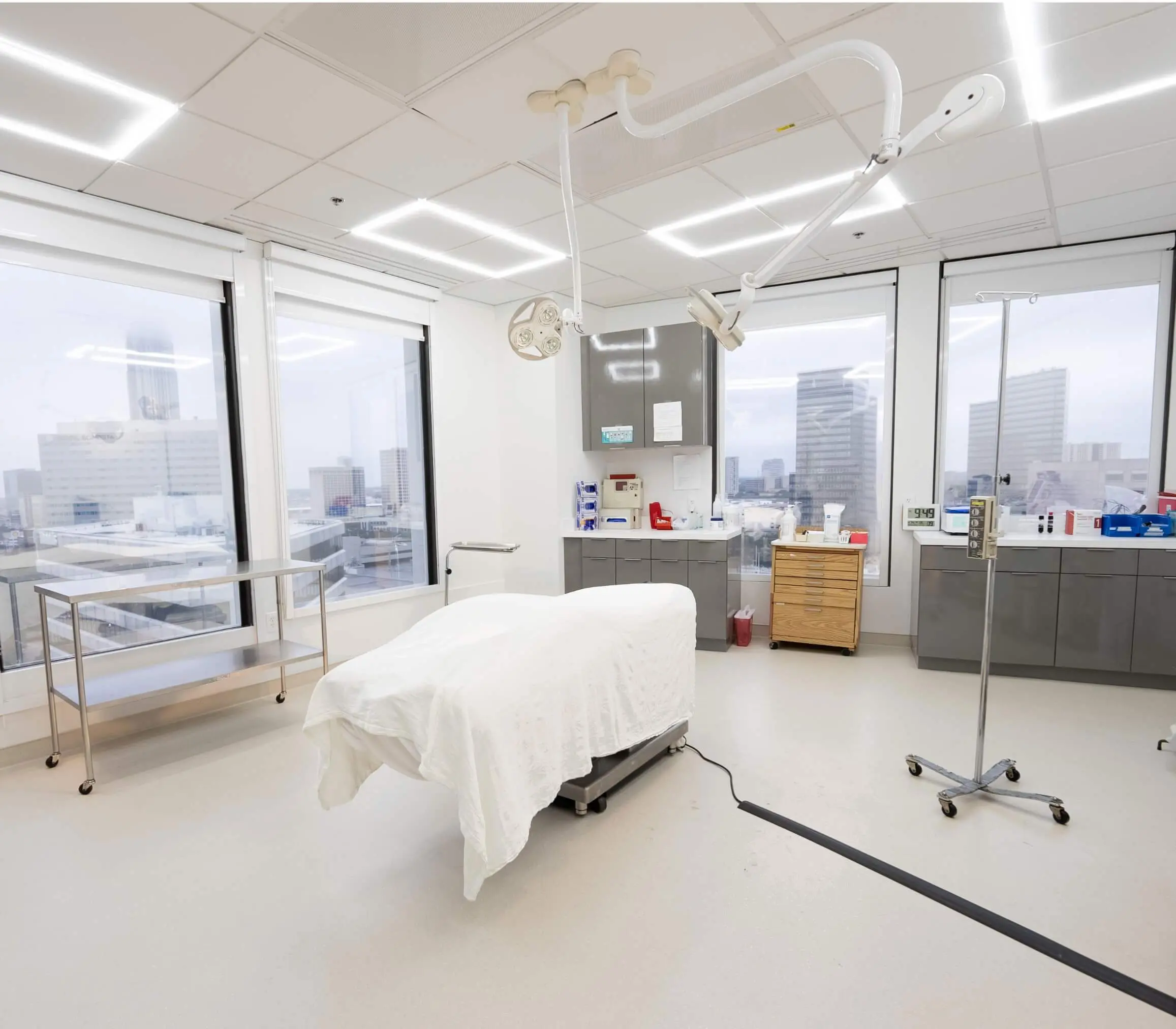
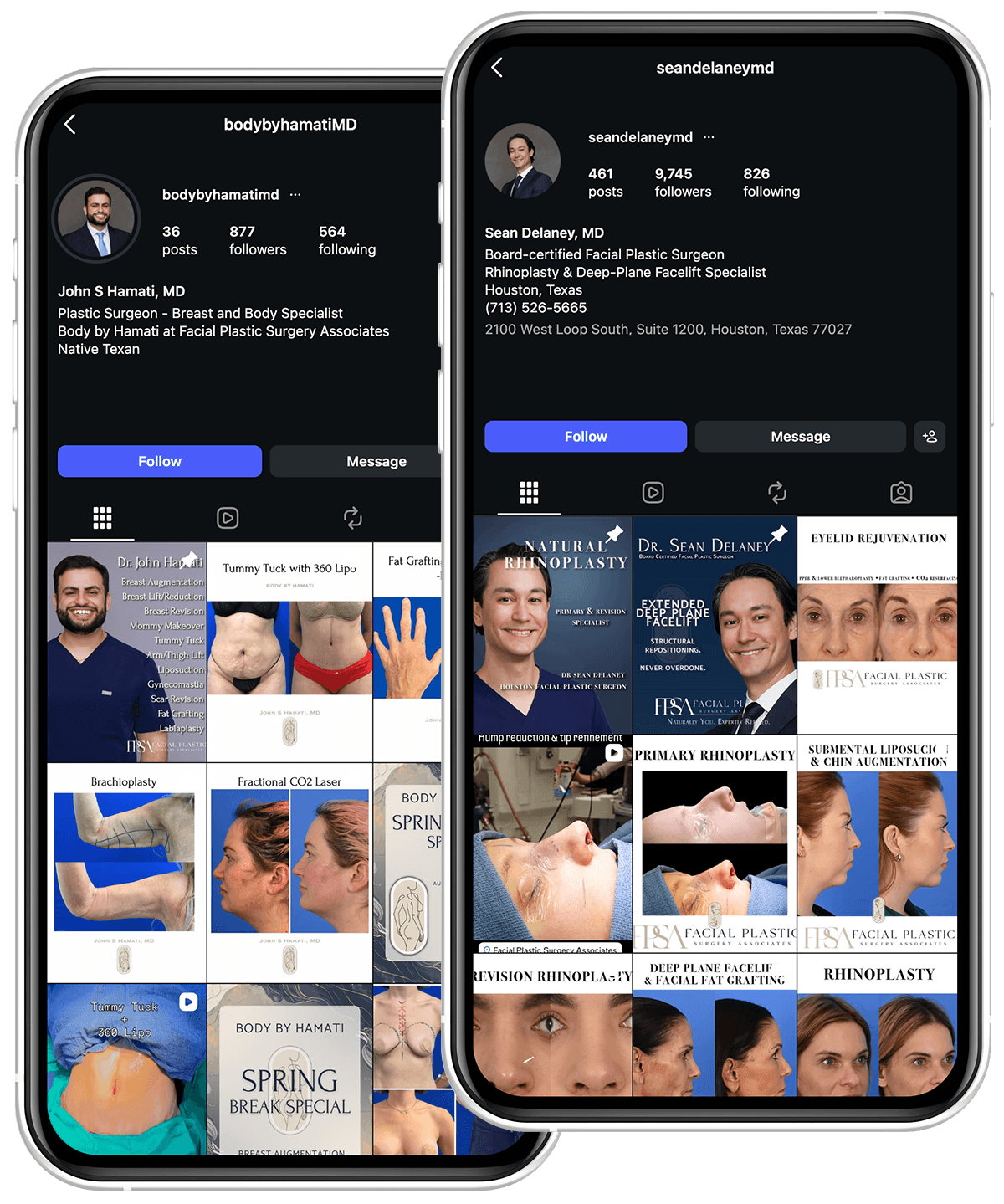
Let's Get Social
Connect with Us on Our Social Channels
Stay connected with us on social media and witness the impact Facial Plastic Surgery Associates has on the lives of our patients.