How to Select the Best Rhinoplasty Surgeon
Houston Rhinoplasty Specialist
Like snowflakes, no two noses are exactly alike. Each nose has unique external features as well as internal anatomy that influence both appearance and breathing. Because rhinoplasty is one of the most individualized procedures in facial plastic surgery, selecting the right surgeon is an important decision.
Patients should seek a surgeon with specialized training and experience in nasal surgery, as well as a thorough understanding of both nasal aesthetics and function. A successful rhinoplasty requires more than reshaping the nose—it requires preserving or improving structural support, airflow, and long-term stability.
The ideal surgeon is comfortable managing a wide range of nasal anatomy and can thoughtfully adapt the surgical plan to the unique goals, anatomy, and functional needs of each patient. Rather than applying a one-size-fits-all approach, rhinoplasty should be tailored to create a result that looks natural, complements the face, and functions well for years to come.
Choosing the right surgeon is one of the most important decisions you will make during your rhinoplasty journey. Because rhinoplasty affects both the appearance and function of the nose, selecting a surgeon with the appropriate training, experience, and surgical philosophy can have a significant impact on your outcome.
Many patients are unsure how to evaluate rhinoplasty surgeons beyond online reviews, social media posts, or before-and-after photographs. While these resources can provide helpful information, they often offer only a limited view of a surgeon’s qualifications, experience, approach to patient care, and expertise in nasal surgery.
A successful rhinoplasty requires much more than technical skill alone. It requires careful listening, thoughtful surgical planning, a thorough understanding of nasal anatomy and airflow, and an appreciation for facial balance and long-term healing.
The following questions are designed to help you make a more informed and confident decision when selecting a rhinoplasty surgeon. A comprehensive consultation with a qualified surgeon should leave you feeling educated, comfortable, and confident that your goals, expectations, and treatment plan are aligned.


1. Are you board certified in Otolaryngology, Head & Neck Surgery?
Board certification in Otolaryngology–Head & Neck Surgery reflects extensive training in the anatomy, function, and disorders of the nose, face, head, and neck This depth of knowledge of the functionality of the nose means that the surgeon with this board certification will make sure your nose functions properly as well as look good when you have a Rhinoplasty.
2. HAVE YOU COMPLETED A FELLOWSHIP IN FACIAL PLASTIC SURGERY?
Fellowship training provides additional specialized experience beyond residency, with concentrated focus on facial plastic and reconstructive surgery. These programs offer advanced exposure to rhinoplasty, revision rhinoplasty, facial rejuvenation, and complex nasal reconstruction.
Dr. Sean Delaney completed fellowship training in facial plastic and reconstructive surgery with focused experience in cosmetic and functional nasal surgery, including revision rhinoplasty and complex nasal reconstruction.
3. Are you board certified in Facial Plastic Surgery?
These surgeons have already achieved board certification in Otolaryngology, Head & Neck Surgery, but have elected to obtain even further training focused solely on aesthetic procedures from the neck and up. Facial plastic surgeons and general plastic surgeons complete different training pathways. Patients should understand their surgeon’s specific training and experience in rhinoplasty and nasal surgery.
4. DOES YOUR SURGEON REGULARLY PERFORM RHINOPLASTY AND REVISION RHINOPLASTY?
Rhinoplasty and revision rhinoplasty are among the most technically demanding procedures in facial plastic surgery. Because every nose has unique anatomy and functional considerations, it is important to choose a surgeon with meaningful experience in nasal surgery and a strong understanding of both aesthetics and breathing function.
Surgeons who regularly perform rhinoplasty are often more familiar with the wide range of anatomical variations, healing patterns, and surgical techniques that may be required to achieve natural, balanced results.
5. HAVE YOU CONTRIBUTED TO EDUCATION, RESEARCH, OR ADVANCEMENTS IN NASAL SURGERY?
Many experienced rhinoplasty surgeons contribute to their specialty through research, teaching, publications, presentations, or participation in educational courses. Ongoing involvement in education often reflects a continued commitment to refining surgical technique and staying current within the field.
While publications and presentations alone do not determine surgical skill, they can provide additional insight into a surgeon’s level of academic involvement and dedication to their specialty.
6. HAVE OTHER PHYSICIANS OR MEDICAL PROFESSIONALS TRUSTED YOU WITH THEIR CARE OR THE CARE OF THEIR FAMILY MEMBERS?
Referrals from physicians, nurses, and other medical professionals can reflect trust in a surgeon’s judgment, communication, and surgical outcomes. Medical professionals often have unique insight into surgical training, reputation, and consistency of care.
While referrals alone should not determine your decision, they may provide additional perspective when evaluating a surgeon’s experience and reputation within the medical community.
7. Do you have before and after pictures of patients you’ve operated on?
During your consultation, it is important to ask to see before and after pictures of patients who had Rhinoplasty surgery performed by the doctor. You want to be sure that the surgeon has successful results that look natural.
8. WHAT SPECIAL HONORS OR RECOGNITIONS HAS YOUR SURGEON RECEIVED?
There are many types of professional recognitions a physician may receive throughout their career. While awards alone do not determine surgical skill, they can reflect peer recognition, commitment to education, leadership within the specialty, or contributions to patient care and surgical advancement.
Patients may consider whether a surgeon has been recognized by professional organizations, invited to participate in educational programs, contributed to research or training, or received honors from colleagues within the medical community.
Dr. Sean Delaney has been recognized for his contributions to facial plastic and reconstructive surgery education and has received honors from the University of Texas McGovern Medical School for his commitment to resident and medical student training.
9. DOES YOUR SURGEON PRIORITIZE PATIENT SAFETY AND CONSISTENT RESULTS?
Every surgical procedure carries some degree of risk, and no surgeon can guarantee a perfect outcome. However, experienced rhinoplasty surgeons with focused training, careful surgical judgment, and meticulous technique generally strive to minimize complications while achieving natural, balanced results.
Patients should also feel comfortable researching a physician’s background, credentials, board certification, and professional history. Most state medical boards provide public information regarding licensure and disciplinary actions.
Asking thoughtful questions can help you make a more informed decision when selecting a rhinoplasty surgeon for consultation and ultimately, surgery. Beyond credentials and experience, it is equally important that you feel comfortable with your surgeon’s communication style, aesthetic philosophy, and approach to postoperative care.
Surgeons who are highly respected by patients, colleagues, and referring physicians have often earned that trust through years of training, experience, consistency, and patient-centered care. While expertise and specialization may place some surgeons at the higher end of the pricing spectrum, many patients feel that experience, individualized planning, and long-term support are worthwhile investments.
Dr. Sean Delaney specializes in primary rhinoplasty, revision rhinoplasty, and complex nasal surgery. His approach emphasizes natural facial balance, structural support, and preservation—or improvement—of nasal function whenever possible.
Ultimately, selecting the right rhinoplasty surgeon involves more than credentials alone. A thoughtful consultation should leave you feeling informed, comfortable, and confident that your surgeon understands your goals, communicates honestly, and has a clear plan to address both the appearance and function of your nose.
Patient Reviews
At FPSA, we consider our patients family. Read some of their personal experiences.
Dr. Delaney did an amazing job with my turbinate hypertrophy and rhinoplasty surgery. He was incredibly skilled and provided thorough information throughout the process. I’m extremely happy with the results—I no longer have significant sinus problems, and I love my new nose. It’s very subtle and fits my face perfectly.
E.M.
Dr. Delaney is warm, insightful, and an excellent facial plastic surgeon. I have recently seen him for tear trough fillers; he took the time to explain the process, the tools he was using, and had no qualms with addressing any of my concerns before he began the procedures. He is passionately invested in the aesthetics and the quality of his work, while being equally concerned with his patients’ well-being and their satisfaction with the overall outcome. A wonderful doctor with comprehensive knowledge in his field, he is someone I highly recommend if you are looking for superior results and exceptional care.
W.E.
Amazing surgeon! – Dr. Delaney is the most down to earth surgeon I’ve ever met. He talks to you on a personal level is willing to discuss anything with you until your questions are answered. I never felt rushed in his office and his staff is wonderful. I am more than happy with the results of my surgery and feel 20 years younger! I highly recommend him for your cosmetic surgery needs!
Anonymous
Let's Get Social
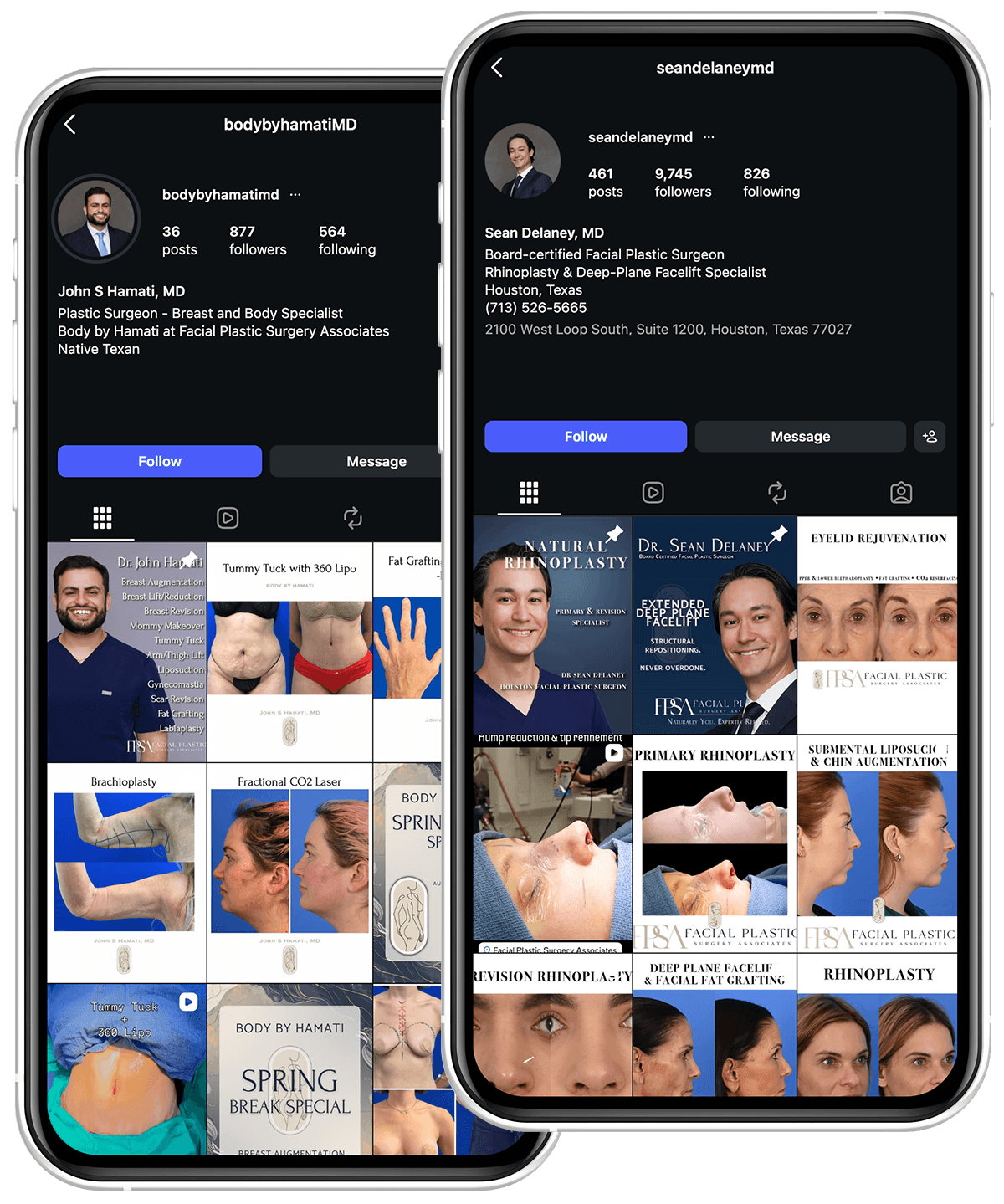
Connect with Us on Our Social Channels
Stay connected with us on social media and witness the impact Facial Plastic Surgery Associates has on the lives of our patients.