
How to Select the Best Facelift Surgeon for You
Houston, Tx Facial Plastic Surgeon
Choosing the right facelift surgeon can feel overwhelming, but it is one of the most important decisions you will make when considering facial rejuvenation surgery. Many patients are unsure how to evaluate surgeons beyond online reviews, before-and-after photos, ratings websites, or social media. While these resources can be helpful, they provide only part of the picture.
Facelift surgery requires more than technical skill alone. It requires a thorough understanding of facial anatomy and aging, careful surgical planning, an artistic eye for natural results, and a commitment to patient safety and postoperative care. Your individual anatomy, degree of skin laxity, neck anatomy, previous procedures, skin quality, and aesthetic goals should all factor into the surgical plan.
It is also important to remember that there is no single facelift technique—or surgeon—that is right for every patient. Rather than choosing a surgeon based solely on marketing or the name of a particular technique, consider the surgeon’s training, experience, results, approach to safety, and philosophy of patient care.
The following questions can help you make a more informed decision when selecting a facelift surgeon. A comprehensive consultation should leave you feeling educated about your options and confident that your surgeon understands your goals.


1. Does the Surgeon Have the Right Training and Credentials?
Start by looking at a surgeon’s training and board certification. Facelift surgery may be performed by appropriately trained facial plastic surgeons or plastic surgeons, but their training pathways are different.
Facial plastic surgeons typically complete residency training in Otolaryngology–Head and Neck Surgery, followed by additional fellowship training focused on aesthetic and reconstructive surgery of the face and neck. Plastic surgeons complete training that encompasses reconstructive and cosmetic surgery of the face and body, and some develop a particular focus in facial rejuvenation.
Rather than focusing on a title alone, look at the surgeon’s complete background. Is the surgeon board certified in an appropriate specialty? Did they pursue additional fellowship training? Does their current practice demonstrate a significant focus on facial rejuvenation?
For facelift surgery, there is particular value in choosing a surgeon whose training and ongoing practice are heavily focused on the anatomy and surgery of the face and neck.
2. How Much Facelift Surgery Does the Surgeon Perform?
Board certification and training establish an important foundation, but they do not tell you how frequently a surgeon actually performs facelifts. Facial rejuvenation should be a meaningful part of the surgeon’s current practice.
Ask how often the surgeon performs facelift and neck lift surgery and what types of patients they commonly treat. A surgeon who regularly performs these procedures develops experience with the wide variation in facial anatomy, aging patterns, previous treatments, and surgical challenges that can be encountered.
Experience is particularly important because no two facelifts are exactly alike. The appropriate operation for a patient with early jowling and mild neck laxity may be very different from the operation required for someone with advanced facial aging, significant neck laxity, or previous facial surgery.
The goal is not simply to find a surgeon who performs a particular number of facelifts each year. Look for a surgeon for whom facial rejuvenation is a consistent and substantial part of their surgical practice.
3. What Type of Facelift Does the Surgeon Perform?
Terms such as “deep plane facelift,” “SMAS facelift,” “mini facelift,” and “extended deep plane facelift” are commonly used when discussing facial rejuvenation. Understanding the surgeon’s approach is worthwhile, but the name of the technique should not be the only reason you choose a surgeon.
Ask the surgeon what technique they recommend for you and, more importantly, why. The surgical plan should be based on your anatomy, pattern and degree of aging, previous procedures, and goals rather than applying the same operation to every patient.
Different facelift techniques address the deeper tissues of the face in different ways. The extent of surgery may also vary depending on whether correction is needed primarily along the jawline, throughout the midface and lower face, in the neck, or in several of these areas.
A good consultation should help you understand what the surgeon intends to reposition, what the procedure is expected to improve, and what it will not correct. The goal is not to select the procedure with the most impressive name, but to choose an appropriate operation that can produce a natural and durable result for your anatomy.
Actual Patient Results
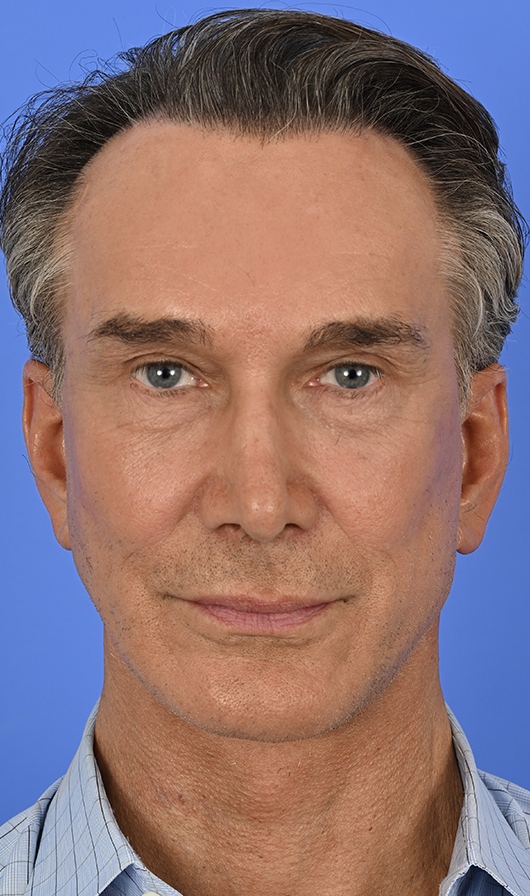
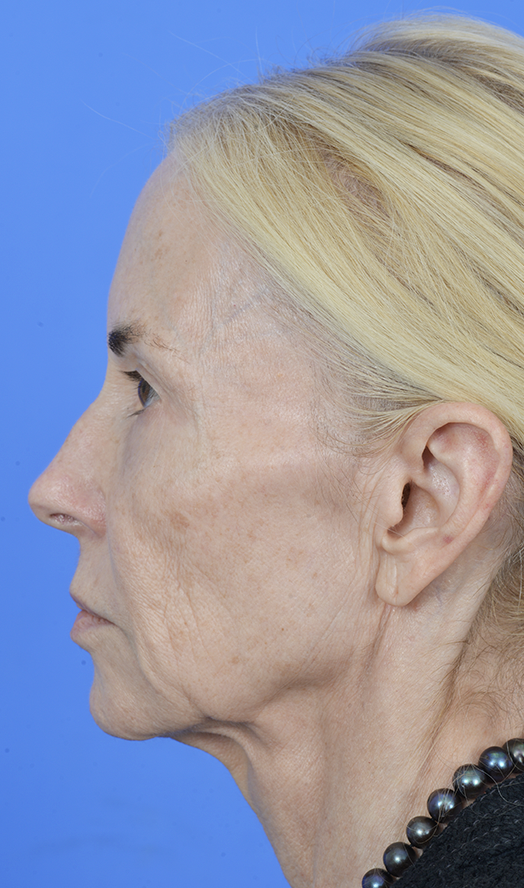

4. Do the Surgeon’s Before-and-After Photos Show Consistent Results?
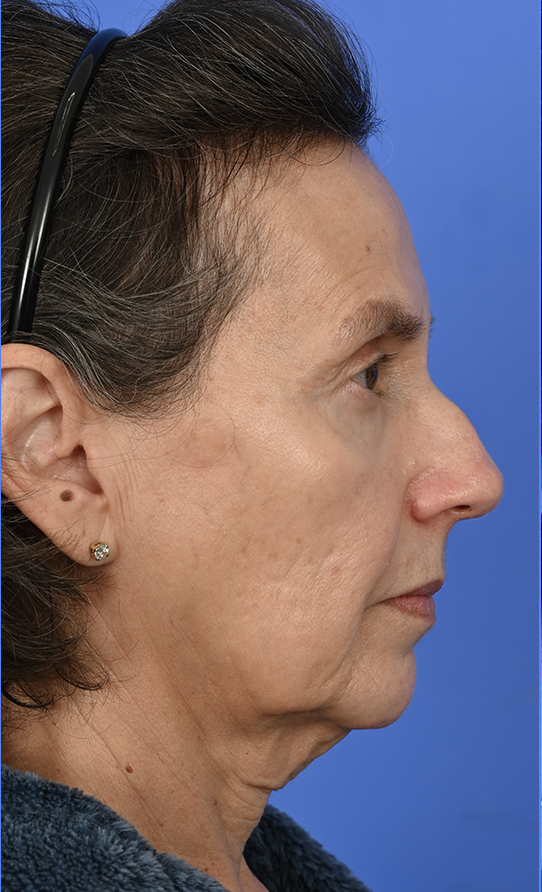
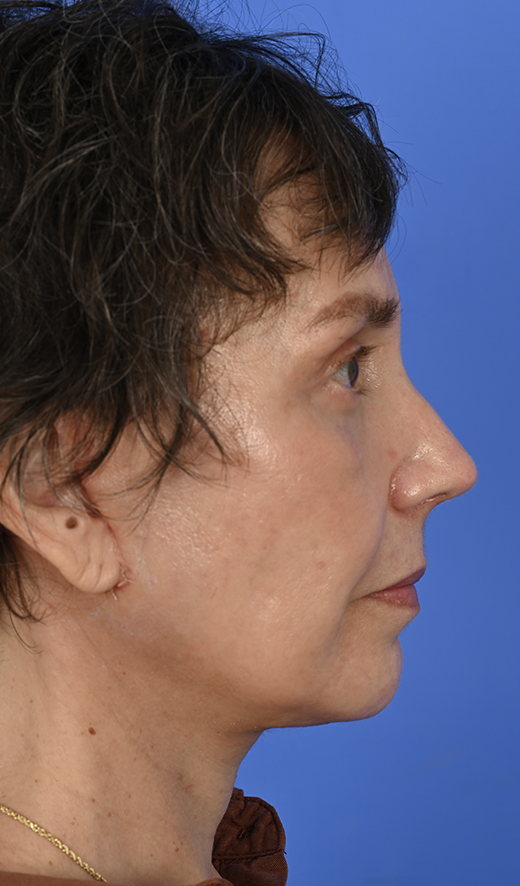
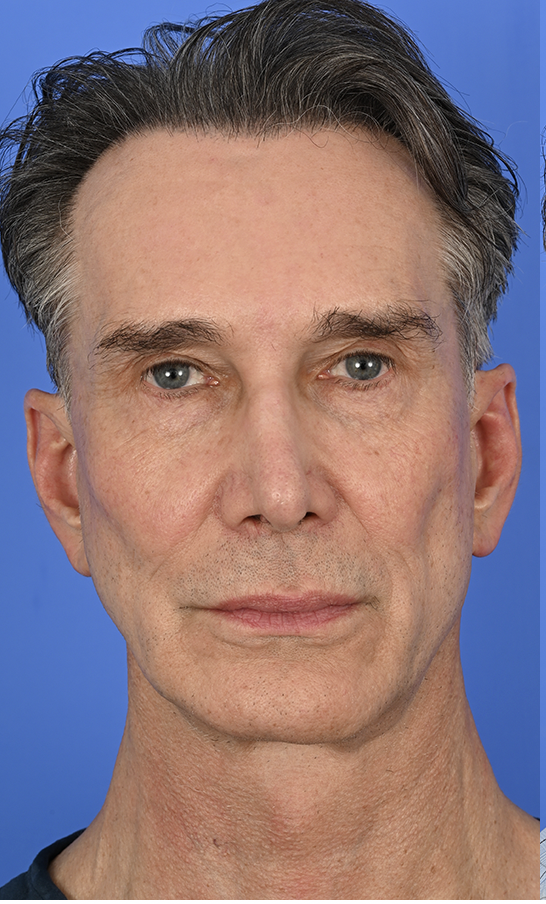
Before-and-after photographs are one of the best ways to evaluate a surgeon’s work. Rather than focusing on one dramatic result, look through a range of patients with different ages, facial shapes, and degrees of aging.
Pay particular attention to patients whose anatomy and concerns resemble your own. Look at the jawline and neck, but also consider the face as a whole. Does the result look natural? Does the patient still look like themselves? Are the improvements balanced rather than overly tight or operated?
Whenever possible, look for standardized photographs with similar positioning, lighting, and facial expression. Also consider how long after surgery the postoperative photographs were taken. Early results can be impressive, but longer-term photographs provide additional information about how a result has matured.
A strong facelift result should not call attention to the fact that someone has had surgery. Ideally, the patient looks refreshed and more youthful while retaining the features that make them recognizable as themselves.
5. Does the Surgeon’s Aesthetic Match Your Goals?
Technical ability is only part of facial rejuvenation surgery. There is also an aesthetic component, and surgeons may differ in what they consider an ideal result.
As you review a surgeon’s work, ask yourself whether you consistently like the results. Some patients want a more noticeable transformation, while others prioritize a subtle change that friends and family may have difficulty identifying. Neither preference is inherently right or wrong, but your goals should align with your surgeon’s aesthetic philosophy.
During your consultation, be specific about what bothers you and what you hope to preserve. A good surgeon should listen to those concerns rather than simply telling you what procedures they routinely perform.
You should also feel comfortable if the surgeon recommends against a procedure or explains that a particular concern cannot be completely corrected with surgery. Good aesthetic judgment includes knowing when to operate, what to address, and when doing more may not produce a better result.
6. Does the Surgeon Evaluate the Face and Neck as a Whole?
Facial aging rarely occurs in just one area. Changes along the jawline may occur together with neck laxity, loss of facial volume, brow descent, eyelid aging, or changes in skin quality. A thoughtful facelift consultation should therefore evaluate the face and neck as a whole rather than focusing on a single isolated feature.
This does not mean that every patient needs multiple procedures. In fact, part of good surgical planning is determining which changes are important to address and which are better left alone.
The neck deserves particular attention. Loose skin is only one potential contributor to an aging neck. The position of the platysma muscle, underlying fat, chin and jaw structure, and other aspects of neck anatomy can all influence the final contour. Understanding the source of the problem helps determine the appropriate treatment.
Your surgeon should be able to explain which aspects of aging can reasonably be improved with surgery, which may benefit from complementary treatments, and which changes are likely to remain.
7. Where Will Your Surgery Be Performed and Who Will Provide Anesthesia?
A beautiful result is never more important than patient safety. When considering a facelift surgeon, ask where the procedure will be performed, whether the surgical facility is appropriately accredited, and who will be responsible for your anesthesia and monitoring.
Accredited surgical facilities must meet established standards for areas such as equipment, medications, infection control, emergency preparedness, and patient safety. Facelifts may be performed using different types of anesthesia depending on the surgeon, patient, and procedure, but you should understand who will be providing your anesthesia and what their qualifications are.
You should also expect a thorough preoperative evaluation. Your surgeon should review your medical history, medications and supplements, previous procedures, and other factors that could affect your surgical or anesthesia risk.
Do not hesitate to ask questions about safety. A qualified surgical team should be comfortable explaining how your procedure will be performed and what measures are in place to care for you before, during, and after surgery.
8. What Does Postoperative Care Look Like?
Your relationship with your surgeon should not end when the operation is finished. Facelift recovery requires appropriate monitoring, clear postoperative instructions, and access to your surgical team when questions or concerns arise.
Before surgery, ask what happens immediately after the procedure, who will be caring for you during the first night, when you will see your surgeon again, and how concerns are handled after normal office hours. You should also understand the expected follow-up schedule during the first several weeks and over the longer term.
Complications can occur even when surgery is performed carefully. What matters is that potential problems are recognized promptly and managed appropriately. Ask who will evaluate you if something does not seem right and whether your surgeon will be directly involved in your postoperative care.
A well-organized recovery process is an important part of facelift surgery and should be considered when choosing your surgeon—not as an afterthought once your procedure has already been scheduled.
9. Do You Feel Comfortable With the Surgeon and the Treatment Plan?
Credentials, experience, and before-and-after photographs can help you narrow your choices, but the consultation is where you determine whether a surgeon is the right fit for you.
Your surgeon should take the time to understand what bothers you, examine your individual anatomy, and explain the options that are appropriate for you. You should understand what the recommended procedure is intended to accomplish, what it cannot accomplish, the expected recovery, potential risks, and reasonable alternatives.
Be cautious if you feel pressured to schedule surgery, are promised perfection, or leave without understanding why a particular procedure was recommended. It is also reasonable for a surgeon to tell you that you are not yet a good candidate for surgery or that another treatment would better address your concerns.
Most importantly, you should leave your consultation with fewer questions, not more. You should feel informed, comfortable with the plan, and confident that you and your surgeon share a similar understanding of what a successful result would look like.

Choosing a Facelift Surgeon in Houston
Choosing a facelift surgeon is a personal decision, and I encourage patients to take the time to find a surgeon whose training, experience, results, and aesthetic philosophy align with their goals.
As a double board-certified facial plastic and reconstructive surgeon, my practice is focused on surgery of the face and neck, with facial rejuvenation representing a significant part of my surgical practice. I use deep plane facelift and neck lift techniques that are tailored to each patient’s anatomy and degree of aging, with an emphasis on natural results that preserve the patient’s individual features.
At Facial Plastic Surgery Associates in Houston, facelift surgery is performed in our accredited surgical facility with a dedicated anesthesia team and a structured postoperative care process. My goal during consultation is not simply to recommend a procedure, but to help you understand what is contributing to the changes you see, what surgery can realistically improve, and whether a facelift is the right choice for you.
If you are considering facelift surgery in Houston, I invite you to schedule a consultation to discuss your concerns and develop an individualized treatment plan.
Patient Reviews
At FPSA, we consider our patients family. Read some of their personal experiences.
Dr. Delaney did an amazing job with my turbinate hypertrophy and rhinoplasty surgery. He was incredibly skilled and provided thorough information throughout the process. I’m extremely happy with the results—I no longer have significant sinus problems, and I love my new nose. It’s very subtle and fits my face perfectly.
E.M.
Dr. Delaney is warm, insightful, and an excellent facial plastic surgeon. I have recently seen him for tear trough fillers; he took the time to explain the process, the tools he was using, and had no qualms with addressing any of my concerns before he began the procedures. He is passionately invested in the aesthetics and the quality of his work, while being equally concerned with his patients’ well-being and their satisfaction with the overall outcome. A wonderful doctor with comprehensive knowledge in his field, he is someone I highly recommend if you are looking for superior results and exceptional care.
W.E.
Amazing surgeon! – Dr. Delaney is the most down to earth surgeon I’ve ever met. He talks to you on a personal level is willing to discuss anything with you until your questions are answered. I never felt rushed in his office and his staff is wonderful. I am more than happy with the results of my surgery and feel 20 years younger! I highly recommend him for your cosmetic surgery needs!
Anonymous
It’s finally been a year since I had my nose worked on!! Almost a little over a year ago I found this place online after doing lots of research about plastic surgery facilities close to my area. The doctor I wanted my nose to be done by, was in New York, and I was sure I’d have my nose done by that surgeon, but it was set in stone in my mind that I was NOT going to travel 1,648 miles across the country to get a nose job.
C.G.
Let's Get Social
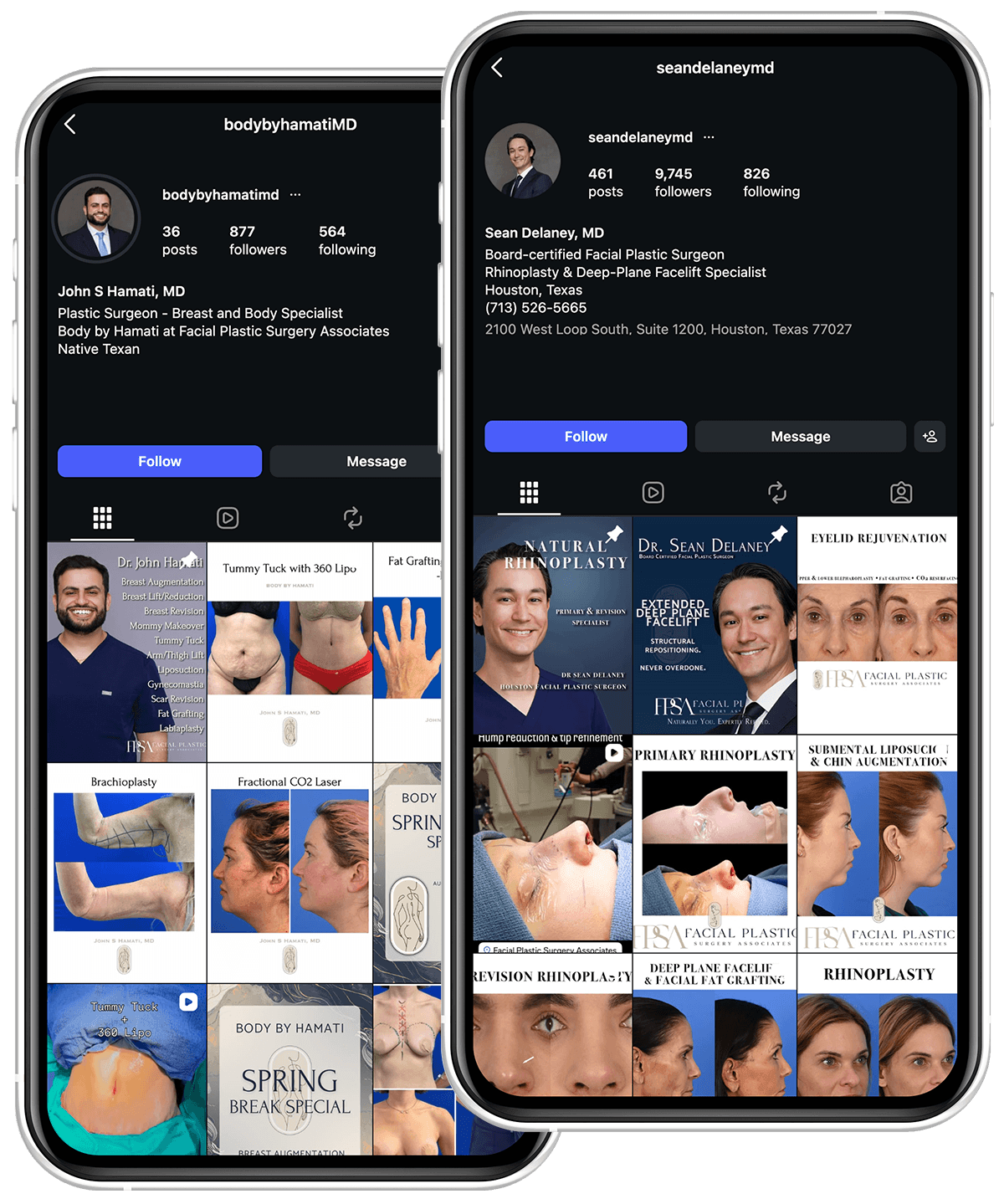
Connect with Us on Our Social Channels
Stay connected with us on social media and witness the impact Facial Plastic Surgery Associates has on the lives of our patients.