November 11, 2026 | Revision Facelift
12 minute read

A facelift can be one of the most effective procedures for restoring a more youthful appearance to the face and neck. When performed well, it can provide natural-looking improvements that last for many years.
However, not every patient is satisfied with their results, and some eventually seek a second procedure, commonly called a revision facelift.
One of the concerns I hear from patients who have undergone a previous facelift is that their results either weren’t as dramatic as they had hoped or simply didn’t last as long as expected. Some continue to notice jowls or neck laxity, while others feel that their appearance has gradually returned to where it was before surgery.
So why does this happen?
The answer is more complicated than simply whether a facelift was performed correctly. Surgical technique certainly matters, but so do a patient’s anatomy, tissue quality, healing, weight stability, and expectations.
Understanding these factors can help patients make better decisions, whether they are considering their first facelift or exploring the possibility of a secondary facelift after a primary surgery.
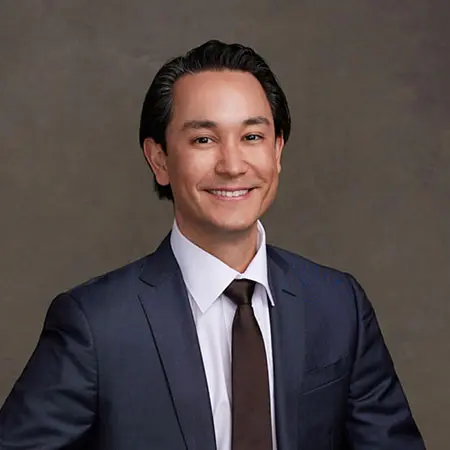
By Dr. Sean W. Delaney | Double Board-Certified Facial Plastic Surgeon | Houston, TX
Table of Contents
- 1. Inadequate Release of the Deeper Facial Tissues
- 2. Why Some Facelifts Don’t Last as Long as Expected
- 3. Does a Deep Plane Facelift Reduce the Need for Revision?
- 4. Why Revision Facelift Surgery Is More Challenging
- 5. When Should You Consider a Revision Facelift?
- 6. Can Every Unsatisfactory Facelift Be Corrected?
- 7. How Can Patients Reduce Their Chances of Needing a Revision?
- Final Thoughts: Understanding Why Facelifts Sometimes Need Revision
- Why Choose Dr. Sean Delaney for Your Facelift Surgery?
- Frequently Asked Questions
- Learn More About Your Facelift Surgery Options in Houston, TX
1. Inadequate Release of the Deeper Facial Tissues
One potential reason a facelift may produce an underwhelming result is that the deeper facial tissues were not adequately mobilized during surgery. To understand why this matters, it’s helpful to know a little about facial anatomy.
The skin and deeper soft tissues of the face are supported by structures called facial retaining ligaments. Think of these ligaments as anchors that hold the facial tissues in place. As we age, the soft tissues of the face gradually descend, contributing to jowls, loss of jawline definition, and other visible changes.
During certain facelift techniques, releasing selected retaining ligaments allows the surgeon to mobilize and reposition the deeper tissues more effectively.
If these structures are not sufficiently released, the amount of repositioning that can be achieved may be limited. This can sometimes result in persistent jowling or less improvement than the patient anticipated.
This is one reason I favor the deep plane facelift technique for many of my facial rejuvenation patients. By working beneath the superficial musculoaponeurotic system (SMAS) and releasing appropriate retaining ligaments, I can reposition the deeper facial tissues rather than relying primarily on tension placed on the skin.
Importantly, not all traditional SMAS facelifts are performed the same way. Many variations exist, and excellent results can be achieved using different techniques. The key is understanding which approach is most appropriate for the patient’s anatomy and goals.
2. Why Some Facelifts Don’t Last as Long as Expected
Another common concern is that a facelift initially looked good, but the improvement seemed to fade sooner than anticipated.
A well-performed facelift can often provide meaningful improvement for seven to 10 years, although longevity varies considerably from patient to patient.
It’s important to understand that a facelift does not stop the aging process. Even after surgery, the skin and deeper tissues continue to change.
Several factors can influence how long the results remain noticeable.
Skin Quality and Elasticity
Patients with significant sun damage, poor skin elasticity, or substantial tissue laxity may experience different long-term outcomes than patients with healthier, more resilient skin.
Although surgery can reposition descended tissues, it cannot completely reverse the biological changes that occur within aging skin.
Weight Fluctuations
Significant weight gain or loss after a facelift can alter facial volume, skin tension, and overall contour.
For this reason, I generally encourage patients to reach a stable, maintainable weight before undergoing facial rejuvenation surgery.
Individual Anatomy and Healing
Every patient’s facial structure is different. Bone structure, facial fat distribution, skin thickness, and connective tissue quality all influence the result.
Similarly, healing varies between individuals. Two patients undergoing similar procedures may experience different degrees of swelling, scar formation, and long-term tissue changes.
The Extent of the Original Correction
Sometimes a facelift appears to lose its effectiveness relatively quickly because the initial procedure did not fully address the areas of concern.
For example, a patient may have undergone a facelift that improved the cheeks but did not adequately correct the neck or jowls.
In these situations, the issue may be less about the result wearing off and more about the degree of correction achieved during the original surgery.
3. Does a Deep Plane Facelift Reduce the Need for Revision?
The deep plane facelift has become increasingly popular because of its ability to address descended facial tissues through deeper anatomical repositioning. Unlike techniques that rely primarily on skin tightening, a deep plane facelift allows the surgeon to mobilize and reposition the deeper facial tissues after releasing selected retaining ligaments.
This can be particularly beneficial for patients with significant jowling, midface descent, or complex facial aging. In my experience, the deep plane approach can also offer advantages in selected revision cases, particularly when the original procedure did not adequately release or reposition the deeper tissues.
However, a deep plane facelift is not a guarantee against future revision surgery. There is no single technique that eliminates the effects of aging, individual healing differences, or changes in facial volume.
Additionally, the term deep plane alone does not guarantee a superior result. A surgeon’s understanding of facial anatomy, technical execution, and ability to select the appropriate procedure are ultimately more important than the name of the technique.
4. Why Revision Facelift Surgery Is More Challenging
Revision facelift surgery is often more technically demanding than a primary facelift.
During an initial procedure, the surgeon generally encounters relatively undisturbed anatomical tissue planes. After surgery, however, the healing process produces scar tissue that can alter these planes and make subsequent dissection more difficult.
Several factors may complicate revision surgery:
- Scar tissue: Previous surgery can create adhesions that make it more difficult to separate and mobilize facial tissues.
- Altered anatomy: The original procedure may have changed the position or relationships of important anatomical structures.
- Blood supply: Previous incisions and dissection can affect tissue vascularity, requiring additional care when planning a revision.
- Skin and tissue quality: Patients may have limited remaining skin elasticity or other changes that affect what can realistically be achieved.
- Patient expectations: Patients seeking revision surgery may have specific concerns or disappointments that require careful discussion before proceeding.
These factors make individualized surgical planning especially important.
In some cases, a deep plane facelift revision may be appropriate. In others, a more limited procedure targeting the neck, jawline, or another specific area may provide a better balance of improvement and surgical risk.
The goal is not necessarily to repeat the original operation, but to identify what remains uncorrected and determine the safest, most effective way to address it.
5. When Should You Consider a Revision Facelift?
One of the most important considerations is timing.
Patients sometimes become concerned about their facelift results during the early stages of recovery, when swelling, firmness, and temporary contour irregularities are still present. However, the face can continue to change for many months after surgery as swelling resolves and scar tissue matures.
For most patients, I generally recommend waiting approximately 12 months before considering a revision facelift. This allows the tissues sufficient time to heal and gives us a clearer understanding of the final result.
There are exceptions. Certain problems may warrant earlier evaluation or intervention, depending on their nature and severity.
A consultation can help distinguish between normal postoperative healing, an issue that may improve with time, and a persistent concern that could benefit from additional treatment.
6. Can Every Unsatisfactory Facelift Be Corrected?
Not necessarily.
Although revision facelift surgery can provide meaningful improvement for appropriately selected patients, it is important to recognize that surgery has limitations.
Some patients may have significant residual laxity that can be improved with additional tissue mobilization and repositioning. Others may have concerns related primarily to skin texture, fine wrinkles, facial volume loss, or tissue quality—issues that another facelift may not adequately address.
In certain situations, complementary procedures such as facial fat transfer, laser resurfacing, or other targeted treatments may be more appropriate.
There are also circumstances in which I advise against revision surgery. If the anticipated improvement is minimal, the surgical risks are unfavorable, or the patient’s expectations cannot realistically be achieved, another operation may not be in their best interest.
A successful revision is not about achieving perfection. It is about identifying realistic opportunities for improvement while prioritizing patient safety.
7. How Can Patients Reduce Their Chances of Needing a Revision?
While no surgeon can guarantee that a facelift will never require revision, patients can take several steps to improve their chances of a satisfying, long-lasting outcome.
First, choose a surgeon with extensive experience in facial rejuvenation and a thorough understanding of facial anatomy.
Second, ask questions about the proposed technique. Rather than focusing exclusively on whether a surgeon performs a deep plane or SMAS facelift, try to understand how the operation will address your specific areas of concern.
Third, maintain realistic expectations. A facelift can significantly improve facial and neck laxity, but it cannot stop aging or correct every aspect of facial appearance.
Finally, maintain a stable weight, protect your skin from sun damage, and follow your surgeon’s postoperative instructions.
Perhaps most importantly, choose a surgeon who is willing to explain not only what surgery can accomplish, but also its limitations.
Final Thoughts: Understanding Why Facelifts Sometimes Need Revision
When patients are unhappy with a previous facelift, the underlying reason is rarely as simple as one surgical technique being good and another being bad.
Sometimes the original surgery did not adequately release or reposition the deeper tissues. Other times, the result is influenced by skin quality, weight changes, healing, or the natural progression of aging.
And in some cases, the original facelift may have been technically successful but simply did not meet the patient’s expectations.
Revision facelift surgery can offer meaningful improvement, but it requires careful evaluation, an individualized surgical plan, and a clear understanding of what can realistically be achieved.
Why Choose Dr. Sean Delaney for Your Facelift Surgery?
Whether you’re considering your first facelift or seeking an opinion about a previous procedure, the most important first step is understanding your options. An experienced surgeon can help you navigate the process with ease.
At Facial Plastic Surgery Associates in Houston, Sean Delaney, M.D., is a double board-certified facial plastic surgeon with years of extensive contouring experience. As an experienced facelift surgeon, he approaches facial rejuvenation with an emphasis on thoughtful surgical planning and meticulously detailed technique to achieve natural-looking results that complement your unique anatomy.
When planning your facelift revision, Dr. Delaney ensures that your surgical plan is tailored to your specific needs and unique goals. You can expect to feel supported, educated, and confident every step of the way.
Frequently Asked Questions
Why do some facelifts fail?
An unsatisfactory facelift result can occur for several reasons, including inadequate correction of deeper tissues, persistent jowling or neck laxity, individual healing differences, poor skin elasticity, and unrealistic expectations. Not every disappointing result indicates a surgical error.
Can a failed facelift be fixed?
Many unsatisfactory facelift results can be improved with revision surgery, but the options depend on the patient’s anatomy, previous surgical technique, scar tissue, and specific concerns. Complete correction is not always possible.
How long should I wait before having a revision facelift?
In most cases, waiting approximately 12 months allows postoperative swelling to resolve and scar tissue to mature. Certain complications or specific concerns may require earlier evaluation or treatment.
Is a revision facelift more difficult than the first facelift?
Yes, facelift revision surgery is often more technically challenging because of scar tissue, altered anatomy, and changes in tissue vascularity following the original procedure.
Is a deep plane facelift better for revision surgery?
A deep plane approach may offer advantages in selected revision cases, especially when the original procedure did not adequately mobilize the deeper facial tissues. However, the safest and most effective technique depends on the patient’s previous surgery and individual anatomy.
How long should a facelift last?
A well-performed facelift often provides noticeable improvement for approximately 7 to 10 years, although results vary. Aging continues after surgery, and factors such as tissue quality, genetics, sun exposure, and weight changes can influence longevity.
Learn More About Your Facelift Surgery Options in Houston, TX
Hearing about all your facelift options can be overwhelming, but the team at Facial Plastic Surgery Associates ensures you don’t go through it alone. They take the time to answer your questions and help you make an informed decision about your care.
Interested in learning more about deep plane facelift or revision facelift surgery in Houston? Schedule a personal consultation with Dr. Sean Delaney to discuss your concerns and determine which treatment options may be appropriate for you.
Call (713) 562-5665 or fill out our online contact form today to get started.