August 05, 2025 | Board-Certified Facial Plastic Surgeon, Rhinoplasty, Rhinoplasty Expert, Septoplasty
9 minute read
How Much Does Rhinoplasty Cost in Houston?
If you are considering rhinoplasty in Houston, one of your first questions may be: How much does a nose job cost?
The answer varies considerably because rhinoplasty is not a standardized operation. The complexity of your nasal anatomy, whether you have had previous surgery, whether functional breathing problems need to be addressed, the surgical facility, anesthesia, and your surgeon’s experience can all affect the final cost.
In Houston, the total cost of rhinoplasty can range considerably. Rather than comparing a single advertised price, it is important to understand what is actually included in the surgical quote and what type of operation is being proposed.
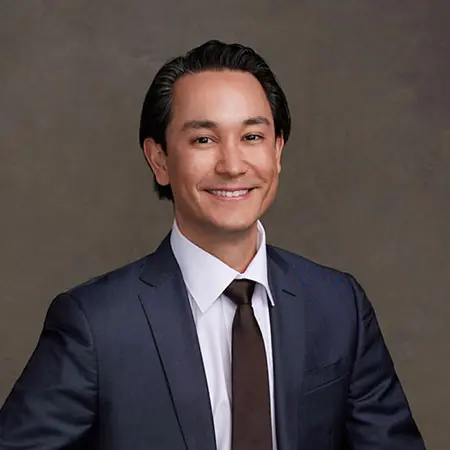
As a double board-certified facial plastic surgeon specializing in rhinoplasty and revision rhinoplasty, Dr. Sean Delaney creates an individualized surgical plan based on each patient’s anatomy, breathing, and aesthetic goals.
Why Is There Such a Range in Rhinoplasty Costs?
No two rhinoplasties are exactly alike.
A relatively straightforward primary cosmetic rhinoplasty may require substantially less operative time than a complex septorhinoplasty involving significant structural reconstruction, nasal valve repair, or cartilage grafting. Revision rhinoplasty can be even more complex because previous surgery may have altered the normal anatomy and created scar tissue or deficiencies in cartilage.
Understanding the factors that affect pricing can help you compare surgical estimates more accurately.
10 Factors That Affect the Cost of Rhinoplasty
1. Your Individual Treatment Plan
“Rhinoplasty” technically refers to reshaping the nose to improve its appearance. However, many patients also have functional nasal problems that need to be addressed during the same operation.
Your surgery may include:
- Rhinoplasty
- Septoplasty
- Inferior turbinate reduction
- Nasal valve repair
- Cartilage grafting
- Alar base reduction
- Tip reshaping or reconstruction
Some surgeons charge separately for these procedures, while others incorporate recommended functional procedures into a comprehensive surgical fee.
When comparing rhinoplasty prices, make sure you are comparing similar treatment plans.
2. Consultation Fee
A comprehensive rhinoplasty consultation is an important part of selecting your surgeon.
During a consultation with Dr. Sean Delaney, he evaluates both the inside and outside of the nose, discusses your breathing and aesthetic concerns, reviews photographs, and develops an individualized surgical plan.
At Facial Plastic Surgery Associates, the consultation fee for primary rhinoplasty is $250 and is applied toward surgery if you proceed.
A rhinoplasty consultation should ultimately give you a clear understanding of what Dr. Delaney recommends, why he recommends it, and what you can realistically expect from surgery.
3. Surgeon Fee
The surgeon’s fee is typically one of the largest components of rhinoplasty pricing.
It reflects factors such as the surgeon’s:
- Training
- Board certification
- Rhinoplasty experience
- Experience with complex and revision cases
- Surgical technique
- Reputation
- Operative time required for your particular procedure
Dr. Sean Delaney is double board-certified in Facial Plastic and Reconstructive Surgery and Otolaryngology–Head and Neck Surgery. His practice focuses exclusively on surgery of the face, nose, and neck, including primary and revision rhinoplasty.
Revision rhinoplasty generally costs more than primary rhinoplasty because previous surgery can create scar tissue, alter normal anatomy, and reduce the amount of available septal cartilage.
Rhinoplasty pricing varies depending on the complexity of your surgery and the techniques required. Because surgical fees may change over time, you can view Dr. Sean Delaney’s current rhinoplasty pricing for the most up-to-date information. Your exact surgical estimate will be provided after your consultation based on your individualized treatment plan.
4. Operating Room and Facility Fees
Rhinoplasty should be performed in an appropriately accredited surgical facility with the personnel, equipment, and safety protocols necessary for facial surgery.
Facility fees generally depend on the amount of operating room time required.
A straightforward rhinoplasty may take considerably less time than a complex septorhinoplasty or revision rhinoplasty requiring extensive reconstruction.
Your surgical estimate should clearly explain the anticipated facility costs associated with your procedure.
5. Anesthesia
Anesthesia is another component of the total surgical cost.
Fees generally depend on the type of anesthesia and the length of the procedure. Longer and more complex rhinoplasty procedures therefore tend to have higher anesthesia costs.
At your consultation, you should receive an estimate that allows you to understand the anticipated surgeon, facility, and anesthesia costs before deciding to proceed.
6. Complexity and Surgical Technique
There is no single “best” rhinoplasty technique for every patient.
Depending on your anatomy and goals, Dr. Delaney may use an open or closed approach and may incorporate techniques such as:
- Structural cartilage grafting
- Tip refinement
- Dorsal modification
- Nasal valve reconstruction
- Septoplasty
- Alar base modification
- Osteotomies
- Preservation or structural techniques
The operation should be designed around the patient’s anatomy rather than forcing every nose into the same surgical technique.
More complicated operations generally require greater operative time and may therefore cost more.
7. Cartilage Grafts and Other Surgical Materials
Some rhinoplasty procedures require additional cartilage to strengthen, support, or reshape the nose.
Cartilage may come from the patient’s:
- Nasal septum
- Ear
- Rib
In selected cases, other graft materials may be appropriate.
Complex reconstruction requiring additional grafting or specialized surgical materials can increase the overall cost of surgery.
8. Geographic Location
Rhinoplasty costs vary geographically.
Major metropolitan areas generally have higher surgical costs because of differences in operating expenses, facility costs, anesthesia fees, and the availability of highly specialized surgeons.
Houston is also a major medical destination, and patients frequently travel here from other parts of Texas, the United States, and internationally for specialized care.
Price alone should not determine where you undergo rhinoplasty. Your ability to receive appropriate postoperative care and have your surgeon manage any unexpected issues is particularly important after nasal surgery.
9. Combining Rhinoplasty With Other Procedures
Some patients choose to combine rhinoplasty with another facial procedure, such as:
- Chin augmentation
- Facial fat grafting
- Eyelid surgery
Combining procedures increases the total surgical cost but can sometimes be more efficient than undergoing separate operations because the procedures share a single anesthesia and recovery period.
Whether procedures should be combined depends on your goals, health, operative time, and overall surgical plan.
10. Preoperative and Postoperative Expenses
Remember to consider expenses beyond the operation itself.
These may include:
- Prescription and non-prescription medications
- Postoperative supplies
- Transportation
- Time away from work
- Travel and lodging for out-of-town patients
At Facial Plastic Surgery Associates, routine postoperative visits are included in the surgical fee.
For patients traveling to Houston for rhinoplasty, Dr. Delaney’s team will provide specific instructions regarding how long you should remain locally before returning home.
Does Insurance Cover Rhinoplasty?
Purely cosmetic rhinoplasty is generally not covered by health insurance.
Functional procedures performed to improve nasal breathing, such as septoplasty or inferior turbinate reduction, may qualify for insurance benefits depending on your policy and medical circumstances.
Dr. Delaney is an out-of-network provider and does not participate with private insurance plans.
If your procedure includes medically necessary functional nasal surgery, you should contact your insurance carrier directly to determine whether you have out-of-network benefits and whether you may submit a claim for reimbursement.
Is Financing Available for Rhinoplasty?
Yes. Facial Plastic Surgery Associates offers financing through Cherry, allowing qualified patients to divide their surgical costs into monthly payments.
Available terms depend on individual approval and the financing options available at the time you apply.
How Much Time Should I Take Off Work After Rhinoplasty?
Most patients plan approximately 7–10 days away from in-person work or social activities.
Typically:
- The external nasal splint remains in place for approximately one week.
- Patients who work remotely may be comfortable doing some work after several days.
- Swelling is expected after rhinoplasty and gradually improves over weeks and months.
- Some patients prefer 10–14 days before returning to highly visible professional or social activities.
Your recovery will depend on the extent of your procedure and your individual healing.
How Should I Choose a Rhinoplasty Surgeon?
Rhinoplasty is widely considered one of the most technically demanding operations in facial plastic surgery because the surgeon must simultaneously consider appearance, structure, and nasal function.
When selecting a rhinoplasty surgeon, consider:
- Board certification and specialty training
- Fellowship training in facial plastic surgery
- Experience with both primary and revision rhinoplasty
- Understanding of nasal function and airway surgery
- Before-and-after photographs of the surgeon’s own patients
- Experience with noses similar to yours
- Peer-reviewed publications and academic involvement
- Aesthetic style
- Communication during your consultation
Do not choose a rhinoplasty surgeon based solely on price, social media following, or online reviews.
The consultation should also feel collaborative. Your surgeon should understand what bothers you, explain what can realistically be changed, and be willing to tell you when a requested change may not be appropriate for your anatomy.
Why Choose Dr. Sean Delaney for Rhinoplasty in Houston?
Dr. Sean Delaney is a double board-certified facial plastic surgeon whose surgical practice is devoted exclusively to the face, nose, and neck.
His background includes training in both Otolaryngology–Head and Neck Surgery and Facial Plastic and Reconstructive Surgery, providing extensive experience with both the cosmetic appearance of the nose and its underlying functional anatomy.
Dr. Delaney performs:
- Primary rhinoplasty
- Revision rhinoplasty
- Septorhinoplasty
- Functional nasal surgery
- Nasal valve reconstruction
- Complex cartilage grafting
His approach to rhinoplasty emphasizes individualized planning rather than a one-size-fits-all aesthetic.
The goal is not to give every patient the same nose. Instead, Dr. Delaney aims to create a nose that is balanced with the patient’s other facial features, looks natural, and functions appropriately.
Facial Plastic Surgeon vs. General Plastic Surgeon for Rhinoplasty
Facial plastic surgeons and general plastic surgeons follow different training pathways.
Facial plastic surgeons first complete residency training in Otolaryngology–Head and Neck Surgery, which focuses extensively on the anatomy, function, and surgery of the nose, face, and neck. Those pursuing facial plastic surgery then undergo additional specialized training in aesthetic and reconstructive facial surgery.
Dr. Delaney subsequently completed fellowship training dedicated to facial plastic and reconstructive surgery.
General plastic surgeons receive excellent surgical training covering reconstructive and cosmetic procedures throughout the body.
For patients considering rhinoplasty, the important question is not simply the title of the specialty but the individual surgeon’s training, experience, surgical volume, results, and expertise in nasal surgery.
Schedule a Rhinoplasty Consultation With Dr. Sean Delaney
The best way to determine the appropriate operation—and the actual cost of your rhinoplasty—is through an individualized consultation.
During your consultation, Dr. Sean Delaney will evaluate your nasal anatomy, breathing, previous surgical history, and aesthetic goals and develop a treatment plan specifically for you.
You will then receive a surgical estimate based on the procedures and anticipated operative time required for your particular nose.
For patients considering primary or revision rhinoplasty in Houston, the goal is straightforward: understand exactly what you need, what can realistically be accomplished, and what your surgery will involve before you decide to proceed.