 Model
Model
Deep Plane Facelift In Houston, TX
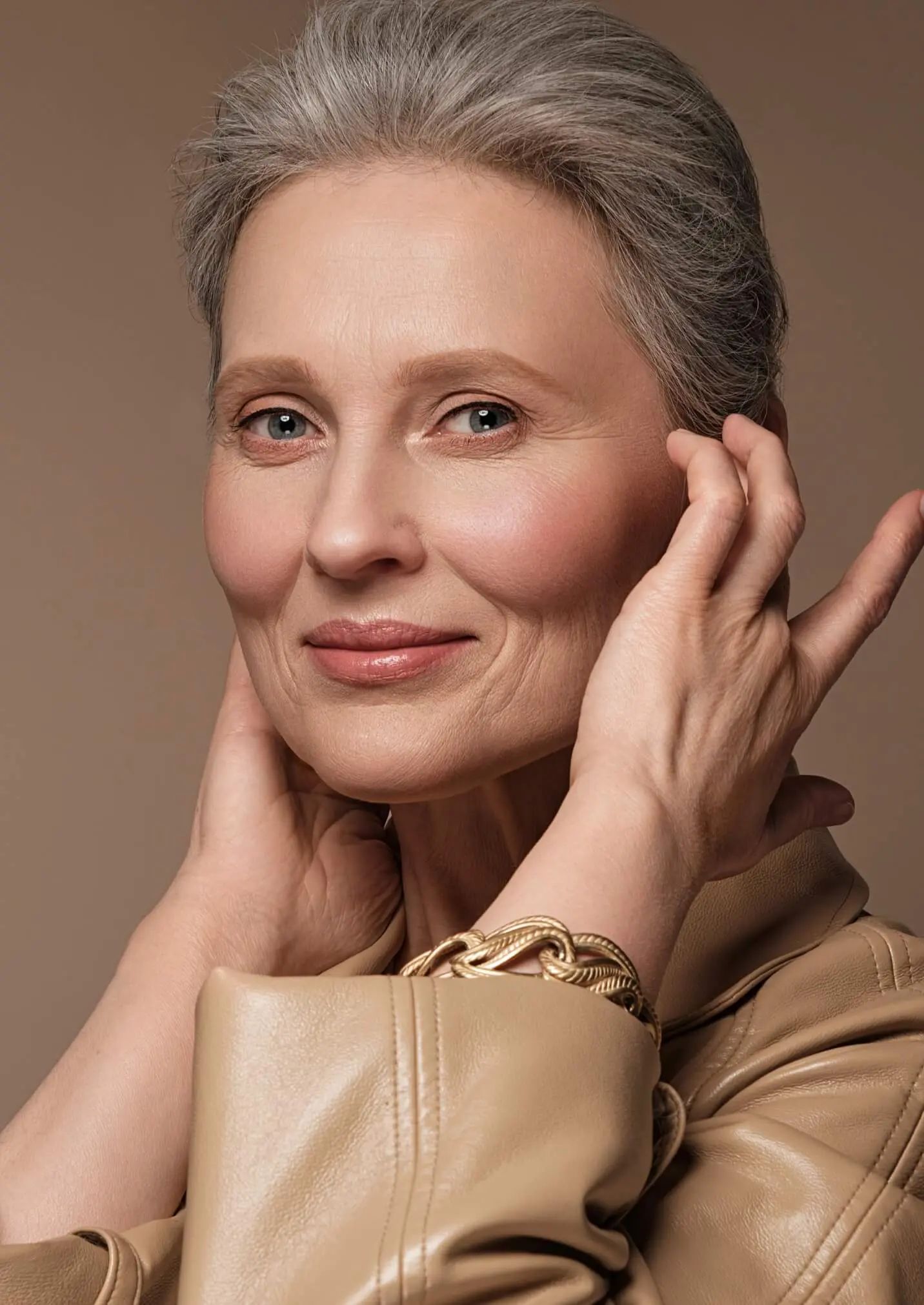
Over time, the natural effects of aging, gravity, and environmental exposure can lead to gradual changes in facial contour and skin quality. While these changes are a normal part of life, modern facial rejuvenation techniques offer options to restore balance and definition in a natural, age-appropriate way.
Rather than relying on surface tension alone, Dr. Sean Delaney’s signature Deep Plane Facelift is performed beneath the SMAS layer, allowing for selective release of key facial retaining ligaments. This deeper approach enables repositioning of the underlying soft tissues in a more anatomical, vertical direction, helping restore youthful facial contours while preserving natural expression.
At Facial Plastic Surgery Associates, Dr. Delaney focuses exclusively on deep plane techniques to help patients achieve a refreshed, youthful appearance with results that look natural, balanced, and harmonious—never tight or artificial.
 Model
Model
What Is a Deep Plane Facelift?
A Deep Plane Facelift is an advanced facial rejuvenation technique designed to restore youthful facial contours by repositioning deeper facial tissues. Unlike facelift approaches that focus on lifting and securing the SMAS layer alone, the deep plane technique is performed beneath the SMAS, within the deeper anatomical plane of the face. By selectively releasing key facial retaining ligaments,
is able to elevate the midface, soften nasolabial folds, and improve downturn at the corners of the mouth—areas that can be more challenging to address depending on anatomy and degree of tissue descent.
Because the lift is achieved through repositioning deeper muscle, fat, and connective tissues rather than relying on surface tension, the results often appear natural and well balanced. Many patients notice improved midface contour and smoother transitions around the mouth and jawline while maintaining normal facial expression.
As part of the procedure, Dr. Delaney also performs a Deep Plane Neck Lift, which addresses skin laxity, excess fullness, and platysma muscle banding in the neck to create harmony between the face and neckline.
An additional characteristic of the deep plane approach is that less skin may need to be separated from its underlying blood supply. This can support healthy circulation during healing and, in some patients, may contribute to a smoother recovery experience with manageable swelling and bruising. Recovery varies based on individual anatomy, extent of surgery, and healing response.
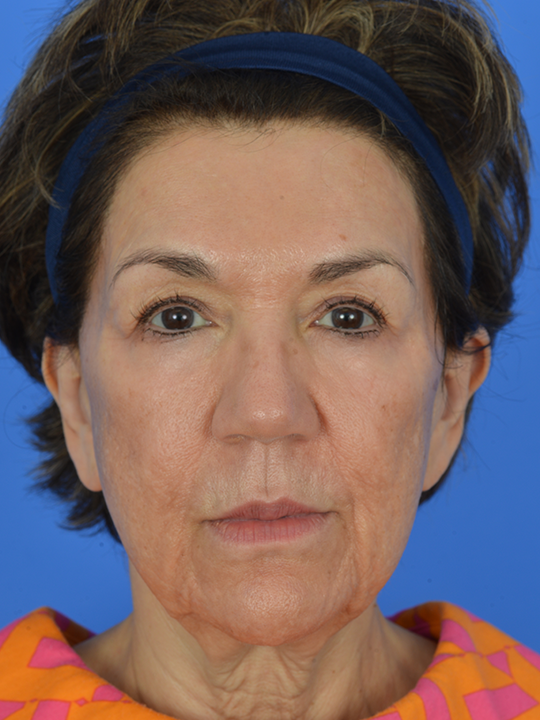
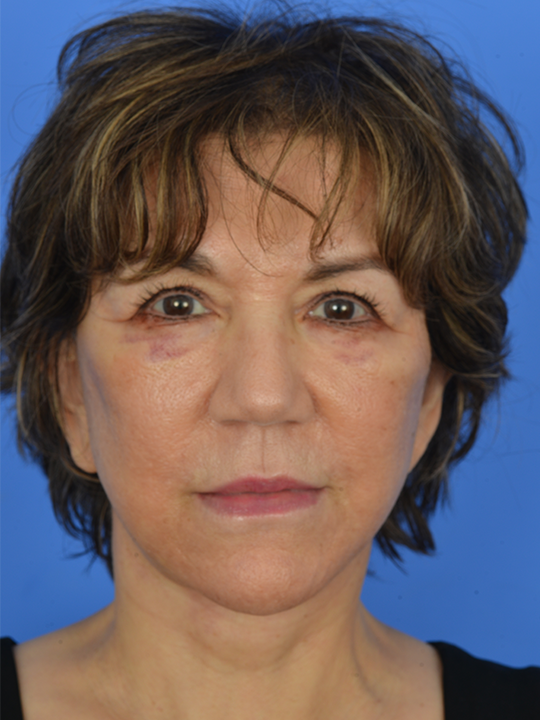
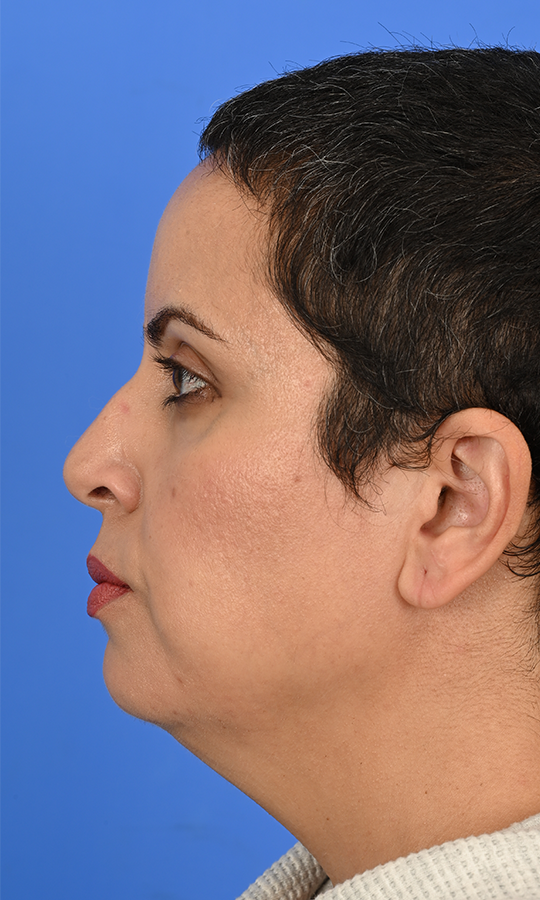
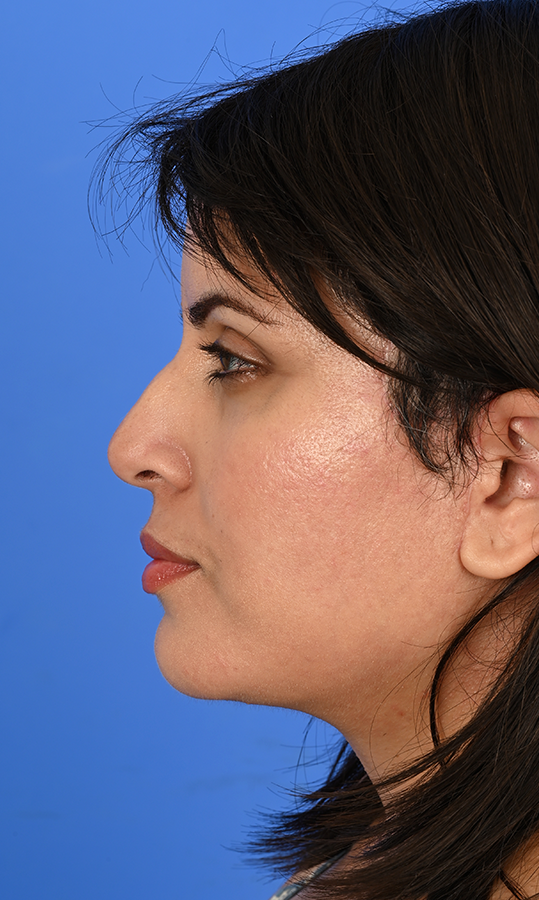
What Can a Deep Plane Facelift Achieve?
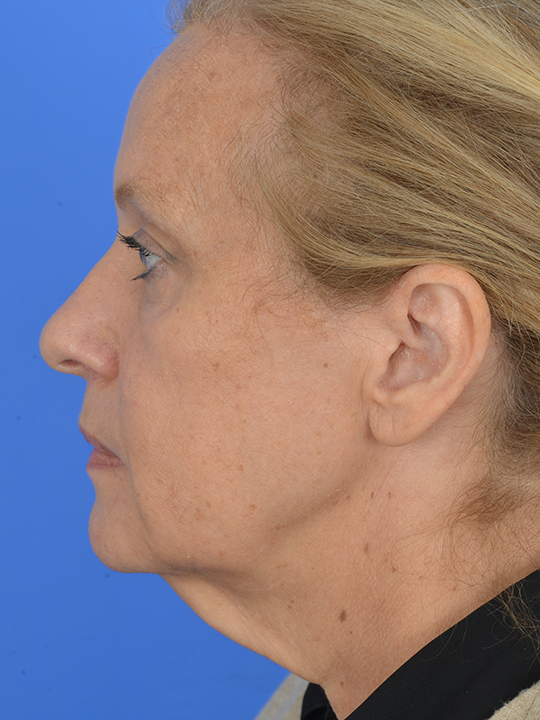
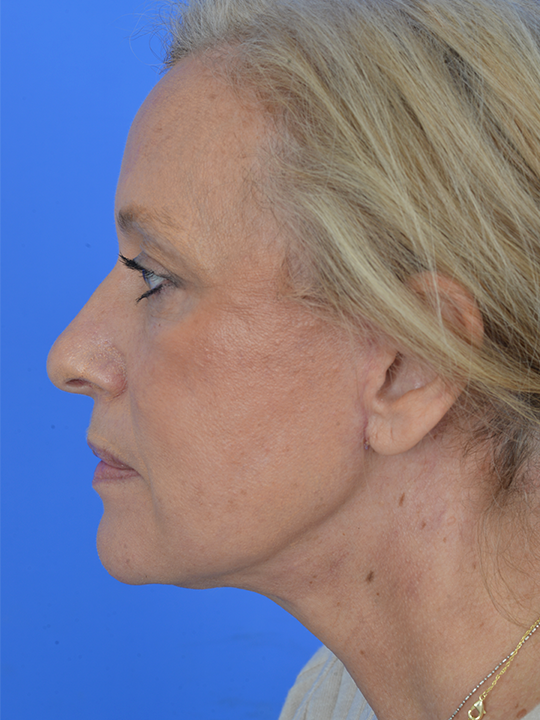
The key principle of a Deep Plane Facelift is the full release of the facial retaining ligaments located beneath the SMAS layer. This precise release allows the facial and neck tissues to be repositioned without tension, creating a natural and long-lasting result. By lifting the deeper structures vertically rather than pulling the skin, the Deep Plane technique restores a youthful contour with improvements in the smile lines, corners of the mouth, and jowls.
What Are the Benefits of a Deep Plane Facelift?
- Natural-Looking Results: Refreshes your appearance without skin looking tight or as if you’d had anything “done.”
- Comprehensive Rejuvenation: Addresses age-related changes beginning under the eyes down to the lower neck.
- Restored Volume: By lifting and repositioning underlying facial muscles and fat pads, volume is naturally restored.
- Minimal Scarring: Strategic incision placement and low-tension closure minimize visible scarring.
- Increased Self-Esteem: By reversing signs of aging, patients feel more confident in their appearance.
- Lasting Results: A Deep Plane Facelift can last at least ten years and sometimes longer with proper care.
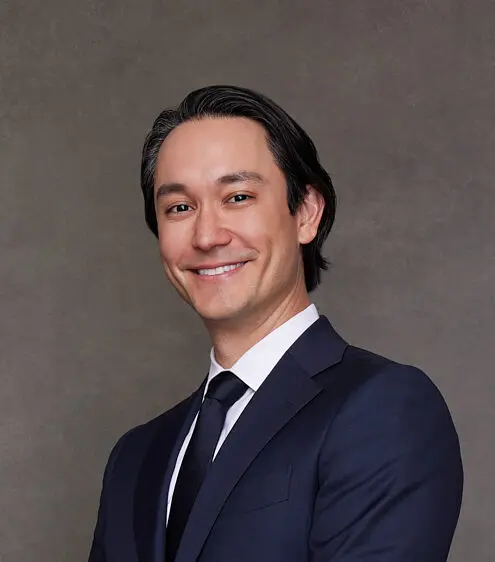

How Is Dr Delaney’s Signature Extended Deep Plane Facelift Different From Other Deep Plane Facelifts?
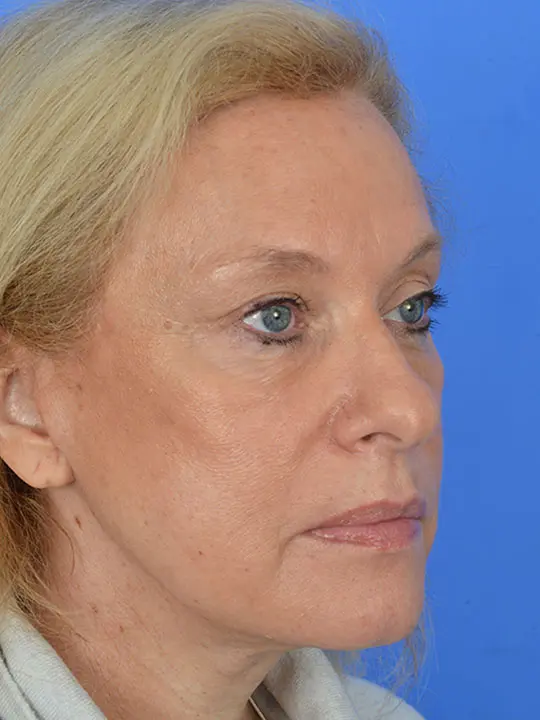
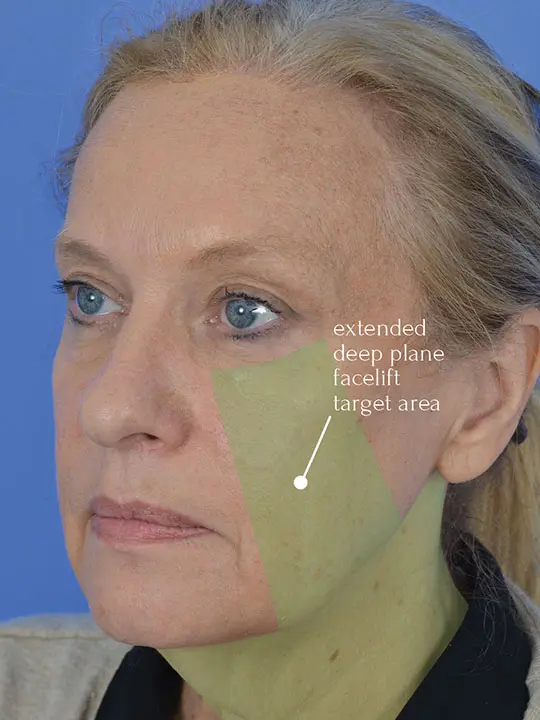
For Facelift surgery, you often hear the term “deep plane.” In truth, there is no standard definition, and plastic surgeons use varying degrees of this approach. Dr. Delaney focuses on the Deep Plane surgical technique that includes an extended dissection within the deep plane of the face, reaching the nasolabial folds and corners of the mouth.
A traditional deep plane facelift may refer to any facelift procedure in which some work is performed underneath the SMAS layer. This sometimes may mean a deep plane dissection of one to two centimeters only. In contrast, Dr. Delaney’s signature extended Deep Plane Facelift addresses signs of aging in additional areas closer to the center of the face by dissecting further and releasing the facial retaining ligaments. This advanced technique offers a more comprehensive approach, adjusting the deep muscular layers of the midface, lower face, jawline, and neck.
The Extended Deep Plane Facelift addresses aging concerns that are often difficult to treat with a traditional deep plane facelift, such as jowls or deeply etched nasolabial folds. And, because an Extended Deep Plane Facelift is tailored according to your individual facial anatomy, you’ll receive personalized, beautiful results.
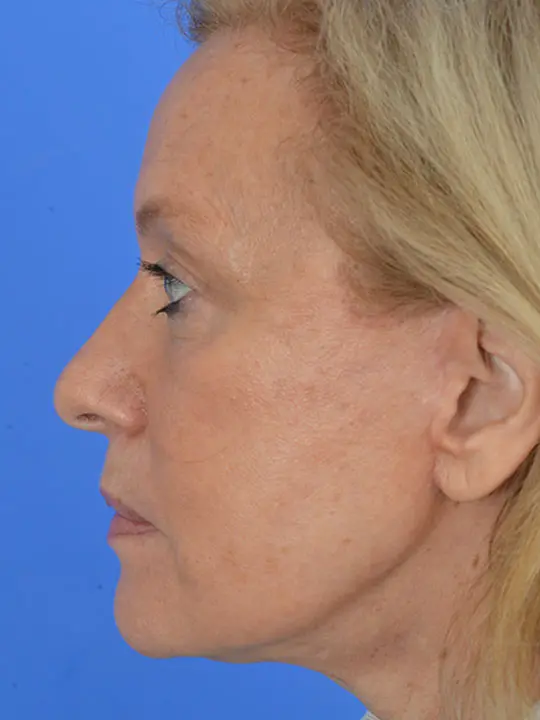
Deep-plane facelift vs SMAS-plication facelift
Inside Your Facelift Consultation What to Expect
What is a Preservation Deep Plane Facelift?
Demo of Extended Deep Plane Facelift
What exactly is a Facelift procedure?
5 Things you can do after a facelift to maintain and enhance your results.
4 signs that you’re an ideal facelift candidate
Ideal vectoring for facelift
Nasolabial Folds Explained
Facelift After Weight Loss Expert Advice!
The Perfect Facelift Timing for your Big Reveal
Buccal Fat Reduction during Deep Plane Facelift
Why Jowls Happen—and What You Can Do About Them
Post-operative garment following Facelift
Biggest misconception about facial aging!
 Model
Model
How Is a Deep Plane Facelift Different From SMAS Techniques?
Your face has a network of fibrous tissues connecting the temples to the cheeks and neck called the SMAS. It starts sagging as aging progresses, taking the skin on top along with it.
During a SMAS facelift, the skin is elevated off the surface of the SMAS, and the SMAS is folded over itself and suspended vertically. With this technique, the SMAS is not cut.
A deep plane facelift refers to any procedure in which the SMAS is incised and the work is performed beneath the SMAS layer.
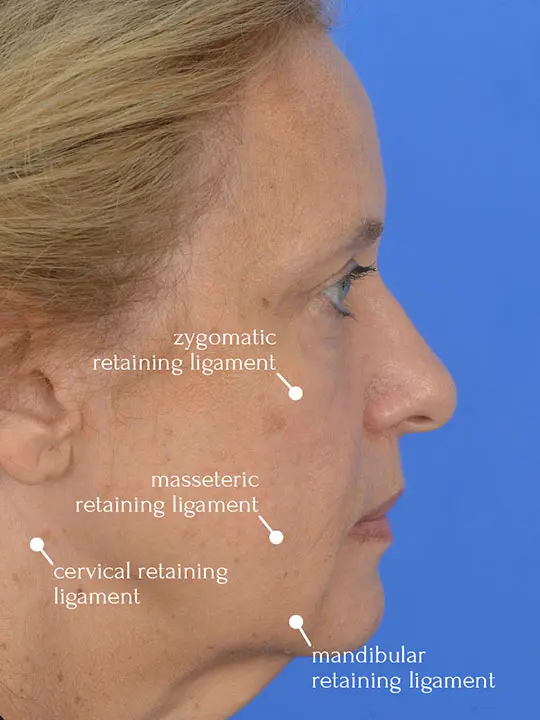
With a Deep Plane Facelift, most of the operation is performed beneath the SMAS layer. The facial retaining ligaments (zygomatic, masseteric, cervical, and mandibular) that can only be accessed in the deep plane are released to allow the facial tissue to redrape more vertically.
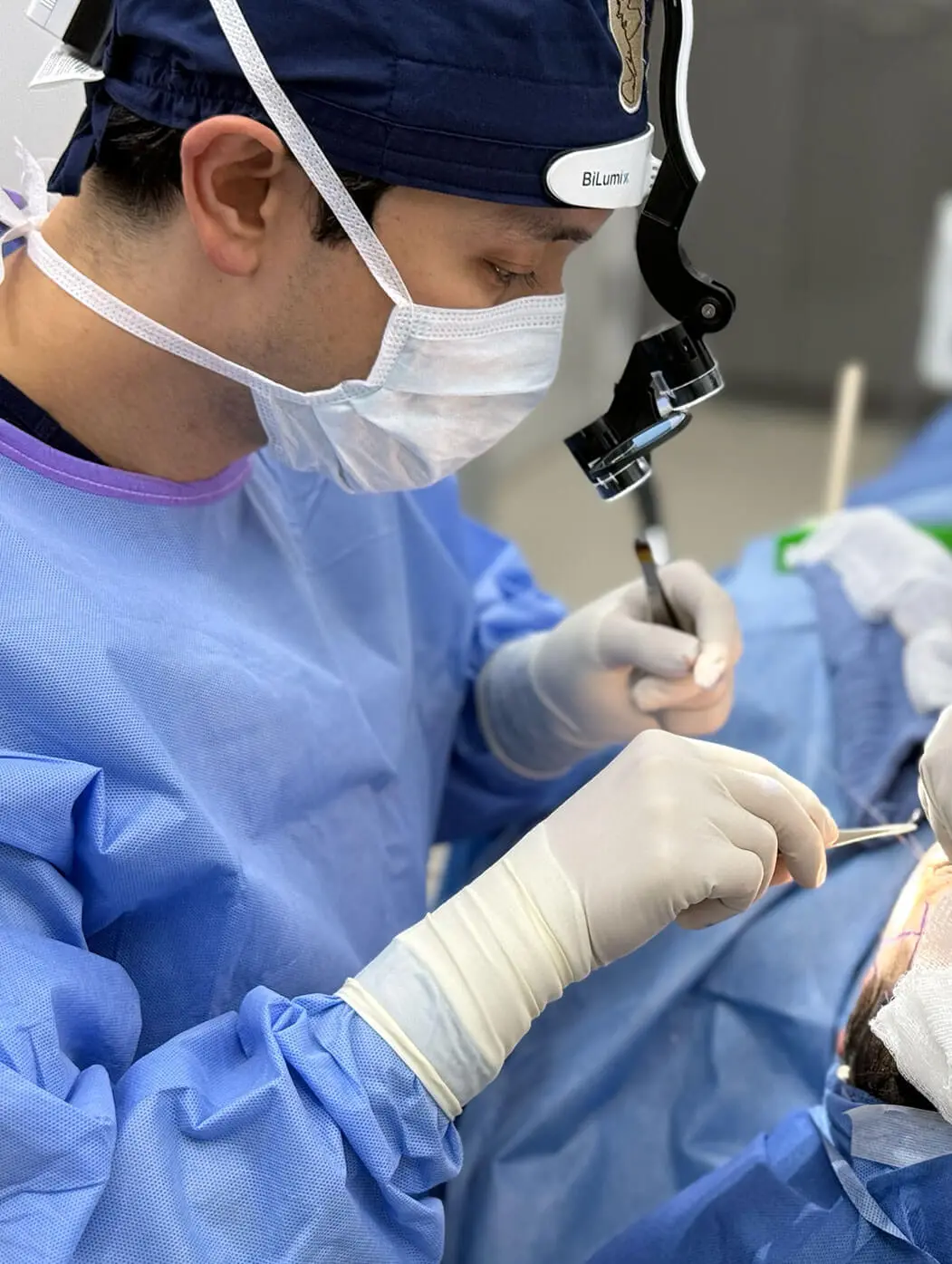
SMAS Facelift
SMAS Plication Facelift: What It Is and When It’s Appropriate
The SMAS plication facelift is a well-established facial rejuvenation technique that focuses on repositioning the superficial musculoaponeurotic system (SMAS) to improve jawline definition and support the lower and midface. For patients with mild to moderate signs of facial aging, this approach can provide natural-looking refinement with a long history of reliable outcomes when performed by an experienced facial plastic surgeon.
Technical Information
In a SMAS facelift, the skin and the SMAS layer are elevated and addressed separately, allowing the surgeon to reposition and secure the SMAS to improve facial contours. In contrast, a deep plane facelift is performed primarily beneath the SMAS layer, elevating the skin and SMAS together as a single unit.
Deep plane techniques incorporate selective release of specific facial retaining ligaments and deeper soft tissues, which can provide enhanced mobilization of the midface in appropriately selected patients. Both SMAS plication and deep plane approaches are respected techniques in facial rejuvenation, each with distinct technical characteristics and indications. The optimal approach depends on factors such as facial anatomy, degree and pattern of aging, skin quality, and aesthetic goals.
Your surgeon will evaluate these factors carefully to determine which technique is best suited to your individual needs.
Optimal Candidates
Patients with mild to moderate facial aging who have good skin elasticity and limited descent of the midface, without significant deepening of the nasolabial folds or corners of the mouth, may be good candidates for a SMAS plication facelift.
Recovery Time
Recovery following a SMAS facelift is influenced by the extent of skin and soft tissue elevation required. Because the skin and SMAS layers are addressed separately, some patients may experience more visible swelling or bruising in the early postoperative period. Recovery timelines vary based on individual healing response and surgical technique, and many patients resume normal activities within a few weeks.
Longevity of Results
The longevity of results after a SMAS facelift depends on multiple factors, including surgical technique, skin quality, facial anatomy, and the natural aging process. SMAS-based techniques can provide durable improvement for appropriately selected patients, while deeper-plane approaches may offer additional longevity in patients who require more extensive repositioning of deeper facial structures. Your surgeon will discuss expected outcomes and long-term considerations based on your personalized treatment plan.
Learn MoreDeep Plane Facelift
What Does a Deep Plane Facelift Address?
A Deep Plane Facelift is designed to address facial aging by repositioning deeper facial tissues, including the SMAS layer, cheeks, and lower face, into a more youthful and natural position. In this technique, the skin and SMAS are elevated together as a single unit, allowing the surgeon to access and selectively release key facial retaining ligaments. This ligament release permits improved mobilization of the cheeks, jawline, and lower face, helping restore facial contours without relying on surface tension alone.
The release of these retaining ligaments is one of the primary technical distinctions between facelift approaches. In appropriately selected patients, this added tissue mobility can allow for more comprehensive repositioning of descended facial structures and may contribute to durable, natural-appearing rejuvenation.
Technical Information
With SMAS-based facelift techniques, the skin and SMAS layer are typically addressed separately, and the SMAS is repositioned and secured to improve facial contour. This approach is well established and can provide effective rejuvenation for many patients, particularly those with mild to moderate facial aging and good skin quality.
In a Deep Plane Facelift, the procedure is performed beneath the SMAS layer, allowing the skin and SMAS to be elevated together after selective ligament release. This deeper-plane access can enable the underlying muscle, fat, and soft tissues to be repositioned in a more anatomical and vertical direction, which may reduce reliance on tension and help preserve natural facial expression. The choice between these techniques depends on facial anatomy, degree of aging, and individual aesthetic goals.
Optimal Candidates
Patients with more advanced signs of facial aging—such as midface descent, hollowing of the cheeks, deepening nasolabial folds, and downturn of the corners of the mouth—may be good candidates for a Deep Plane Facelift. This approach is particularly well suited for individuals who would benefit from repositioning of deeper facial tissues to restore youthful contour and balance.
Recovery Time
Recovery following a Deep Plane Facelift varies based on individual anatomy, extent of surgery, and healing response. Because the procedure is performed within a natural anatomical plane and emphasizes blunt dissection, many patients experience a smooth and predictable recovery. Most of Dr. Delaney’s patients are able to take approximately two weeks off from work and gradually return to their regular routines over the following weeks.
Longevity of Results
The longevity of Deep Plane Facelift results depends on factors such as facial anatomy, tissue quality, and the natural aging process. By repositioning deeper facial structures and restoring support at a structural level, this approach can provide durable, natural-looking rejuvenation in appropriately selected patients. Your surgeon will discuss expected longevity based on your individualized treatment plan.
Who Is the Ideal Candidate for a Deep Plane Facelift?
As we age, changes in facial structure and skin quality can gradually alter the contours of the face and neck. Common signs that may indicate consideration for facelift surgery include jowling along the jawline, deepening nasolabial folds, bunching or heaviness around the mouth, and laxity or banding in the neck.
Patients who benefit most from a Deep Plane Facelift typically have moderate to advanced facial aging, particularly involving descent of the midface and lower face. By repositioning deeper facial tissues, this approach is well suited for individuals seeking comprehensive rejuvenation of the cheeks, jawline, and neck with natural, balanced results.
While many patients pursue a Deep Plane Facelift in their 40s and 50s, men and women in their 60s and 70s can also achieve excellent outcomes. Candidacy is based less on age and more on facial anatomy, tissue quality, overall health, and individual goals, all of which are carefully evaluated during consultation.
When a Mini–Deep Plane Facelift May Be Appropriate
For patients whose facial aging is more limited, a Mini–Deep Plane Facelift may be an excellent option. This approach is often best suited for individuals with mild tissue descent whose primary concerns are focused on the lower face and neck—such as early jowling or loss of jawline definition—rather than the midface. A mini–deep plane technique allows for targeted repositioning of the lower facial tissues with a more limited surgical extent, while still prioritizing natural contours and expression. Dr. Delaney will help determine whether a full or mini approach is best aligned with your anatomy and aesthetic goals.
What Can I Expect After My Deep Plane Facelift?
Each Deep Plane Facelift is performed in our AAAHC-accredited operating room. After surgery, you will be taken to our recovery area, where you are closely monitored and prepared for discharge by Dr. Delaney and our clinical team. A soft compressive dressing will be placed around your head to protect the incisions and support early healing.
Dr. Delaney requires Deep Plane Facelift patients to stay overnight at Hotel Chifley (Tapestry Collection by Hilton), located one block from our office. During this time, you will be accompanied and cared for by a registered nurse to ensure comfort and safety during the first postoperative night.
You will return to our office the following morning for your first postoperative visit. At this appointment, Dr. Delaney will remove your dressing and an FPSA team member will wash your hair. After this visit, you will transition to a facial sling, which is worn continuously for the first week and at night only during the second week. We will see you again on the second day after surgery to ensure you’re healing on track and to remove your hemostatic netting sutures. Detailed postoperative instructions will be provided to guide you through each stage of recovery.
During the initial recovery period, patients are advised to swivel at the waist rather than turn the neck to avoid tension on the incisions. For this reason, driving is restricted for at least one week following surgery. For the first two weeks, you should sleep on your back with your head elevated above heart level. To prevent neck flexion, a flat pillow—or no pillow—is recommended. Showering is permitted beginning the day after your hair is washed in our office.
 Model
Model
What Can I Expect From My Deep Plane Facelift Recovery?
After your Deep Plane Facelift surgery, you will experience some bruising, swelling, and numbness around the incisions. However, these are expected side effects and will resolve as you recover. Any discomfort can be managed with over-the-counter or prescription pain medication.
Dr. Delaney recommends taking two weeks off of work after your Deep Plane Facelift to give yourself time to heal and for bruising and swelling to dissipate. Makeup can be gently applied a few days after surgery as long as you avoid your incisions. If you bruise easily, it may take longer for discoloration to fade, so we advise you to plan your surgery at least five weeks before any important public event.
Three weeks after surgery, most patients are back to their regular routines. However, you should avoid lifting anything heavy or engaging in strenuous activities for four to five weeks after your Deep Plane Facelift.
To ensure proper healing and optimal results, it is essential that you follow Dr. Delaney’s postoperative care plan to the letter. Dr. Delaney also incorporates platelet-rich plasma therapy (PRP) to enhance healing after your Deep Plane Facelift, and patients may also choose to undergo hyperbaric oxygen therapy to accelerate the recovery process.
What Can I Expect From My Deep Plane Facelift Results?
After your surgery, you will see immediate results from your Deep Plane Facelift. However, as the swelling and bruising fade and your face settles into its new contours, you will continue to see improvements in your appearance. Most patients see their final results around six months after surgery.
Your Deep Plane Facelift results typically last around 10 to 15 years before you may require touch-ups. However, while a Deep Plane Facelift can refresh and rejuvenate your appearance, the natural aging process will continue. The longevity of your facelift results depends on several factors, including genetics, lifestyle, skincare, and sun exposure. Staying hydrated, following a healthy diet and skin care regimen, and being diligent about applying sun protection can all help extend your results.
Can I Combine Other Procedures With My Deep Plane Facelift?
It is very common for patients to choose to combine other facial rejuvenation procedures with their Deep Plane Facelift. Patients often choose to have a brow lift and/or upper or lower eyelid surgery to address weakened muscles in the eyebrow area and eyelids that cause them to look older than they are or to address excess skin and under-eye bags for comprehensive facial rejuvenation. You may also choose to undergo facial fat transfer or laser skin resurfacing to address facial volume loss and improve skin texture. We also offer several surgical and non-surgical skin tightening and resurfacing procedures.
Combining additional procedures with your Deep Plane Facelift not only offers enhanced results but also allows you to avoid multiple surgeries and the associated recovery periods.
What Are the Risks of a Deep Plane Facelift?
Risks associated with a Deep Plane Facelift include infection, swelling, bruising, bleeding, asymmetry, and facial nerve damage. However, as with any procedure, you can minimize your risks by choosing Dr. Sean Delaney, a double board-certified facial plastic surgeon with extensive experience in Deep Plane Facelifts.
Why Choose Dr. Sean Delaney for Your Deep Plane Facelift?
Dr. Sean Delaney is a double board-certified facial plastic surgeon focusing exclusively on face and neck procedures, ensuring a deep understanding of aesthetic and functional outcomes. His extensive training in otolaryngology (head and neck surgery) and facial plastic surgery provides him with the knowledge, skill, and experience to achieve natural, long-lasting results.
Dr. Delaney is particularly skilled in performing Deep Plane Facelifts, a technique that offers comprehensive facial rejuvenation without looking like you’ve had anything “done.” He customizes every treatment plan to meet his patient’s individual concerns and goals, whether through surgical or non-surgical techniques or a combination of both.
With a philosophy centered on achieving the most harmonious and natural-looking results, Dr. Delaney is an excellent choice when you’re seeking the best in Deep Plane Facelift surgery.
Begin Your Journey With Facial Plastic Surgery Associates
Discover firsthand how effortless your journey will be to enhance your natural beauty and achieve your aesthetic goals. At Facial Plastic Surgery Associates, you can feel confident that you will be in the best, most caring hands every step of the way. Schedule a comprehensive consultation for Deep Plane Facelift surgery with your dedicated expert, Dr. Sean Delaney.
Schedule a Consultation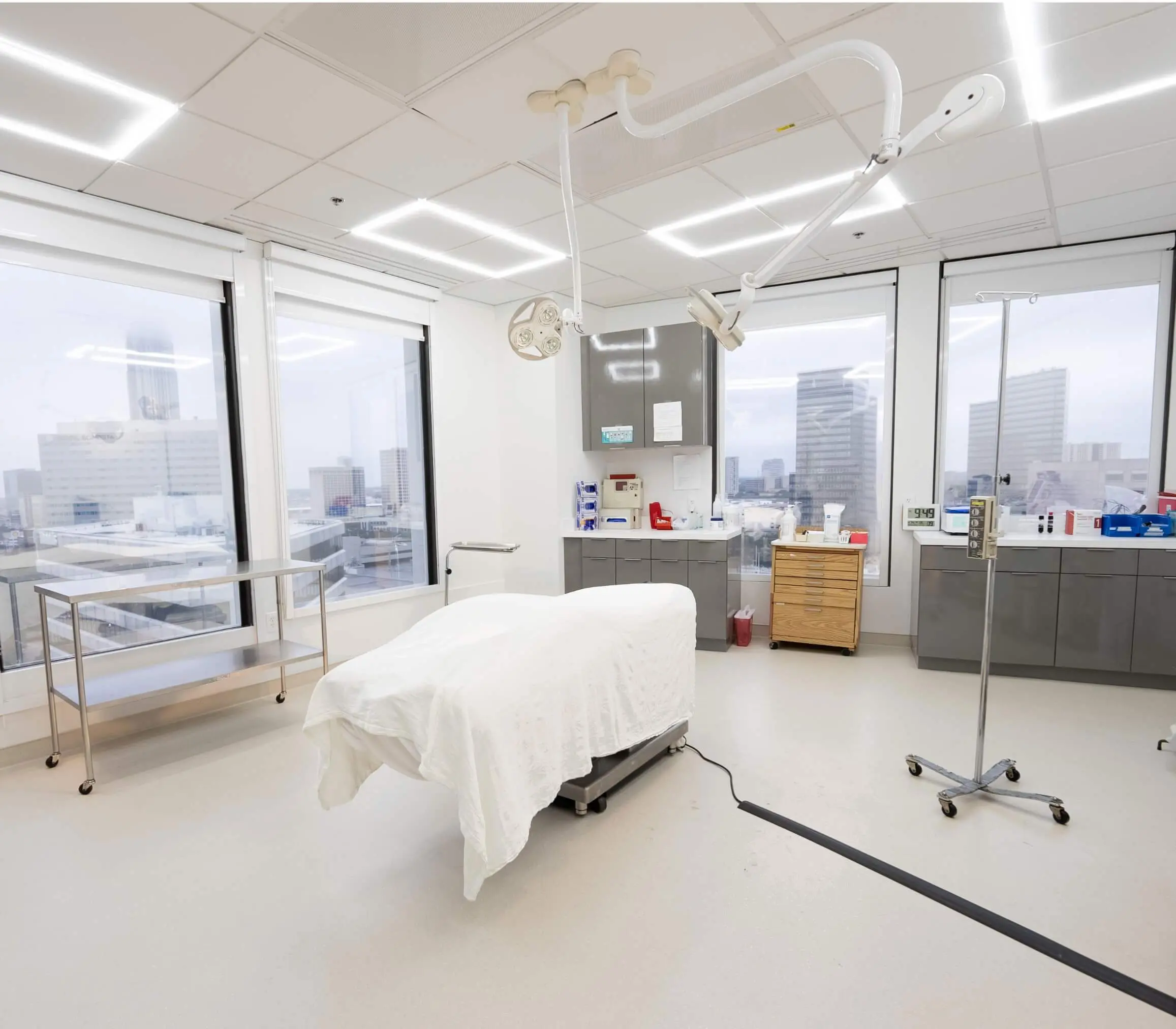

Let's Get Social
Connect with Us on Our Social Channels
Stay connected with us on social media and witness the impact Facial Plastic Surgery Associates has on the lives of our patients.